
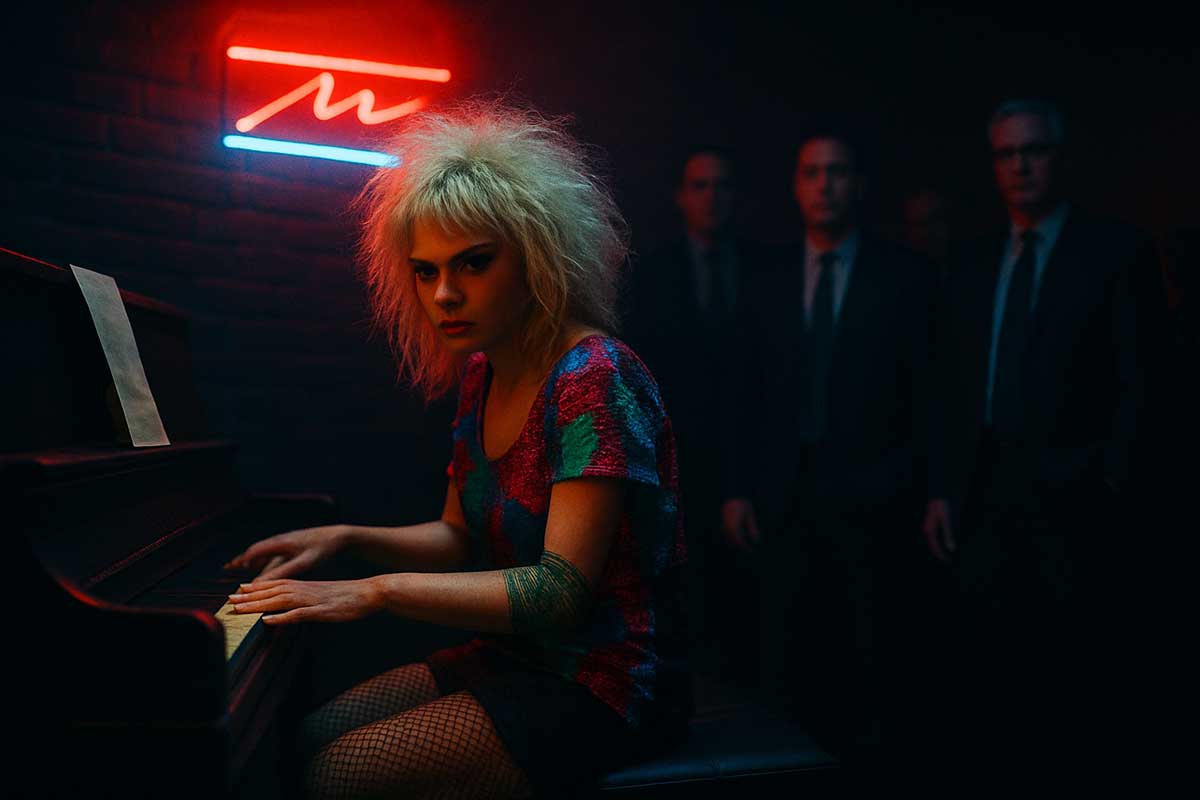
In New York’s music scene of the early 2000s, one young singer faced relentless rejection. Record executives dismissed her as “too strange” and “too eccentric” to ever succeed in mainstream pop. Some told her directly that audiences would never accept her outrageous style or theatrical vision. Yet, instead of conforming, she doubled down. What seemed like a fatal judgment at the time became the spark that fueled one of the most powerful careers in modern entertainment. Today, that very “strangeness” is the reason she stands as a global icon.
Early Rejections and Brutal Labels
In 2005, she signed briefly with Def Jam Records, only to be dropped after just three months. Industry insiders said her look and sound were “too risky” for radio play. At the time, she was performing in small Lower East Side clubs under her real name, Stefani Germanotta. She wore handmade costumes and incorporated avant-garde theatrics that baffled executives.
Friends recall how rejection letters piled up. One talent scout even advised her to “tone down the weirdness.” Instead, she pushed harder. She began working with producer Rob Fusari and later met Akon, who recognized her raw talent. By 2008, she released The Fame, which included “Just Dance” and “Poker Face.” That album sold over 15 million copies worldwide, instantly silencing doubters.
Her career skyrocketed. Albums like Born This Way (2011) topped charts in more than 20 countries. She sold out stadiums with the Monster Ball Tour, which grossed over $227 million. What executives once mocked became her greatest strength: boldness, eccentricity, and defiance.
Was She Really Too Strange?
Critics were quick to claim that her costumes and shock tactics overshadowed her music. Some argued her “meat dress” at the 2010 MTV VMAs was proof she was style over substance. But her live performances and powerful vocals silenced many skeptics. Tony Bennett once called her “one of the greatest jazz singers alive,” praising her versatility.
Her shift into acting confirmed her depth. In 2018, A Star Is Born earned $436 million at the global box office. Her performance of “Shallow” won the Academy Award for Best Original Song. What the industry once labeled “too strange” became the very reason she reshaped music and film.
Fans embraced her difference. On social media, she built the “Little Monsters” community, turning eccentricity into empowerment. Her influence extended beyond art: she raised millions through the Born This Way Foundation, tackling mental health and anti-bullying causes.
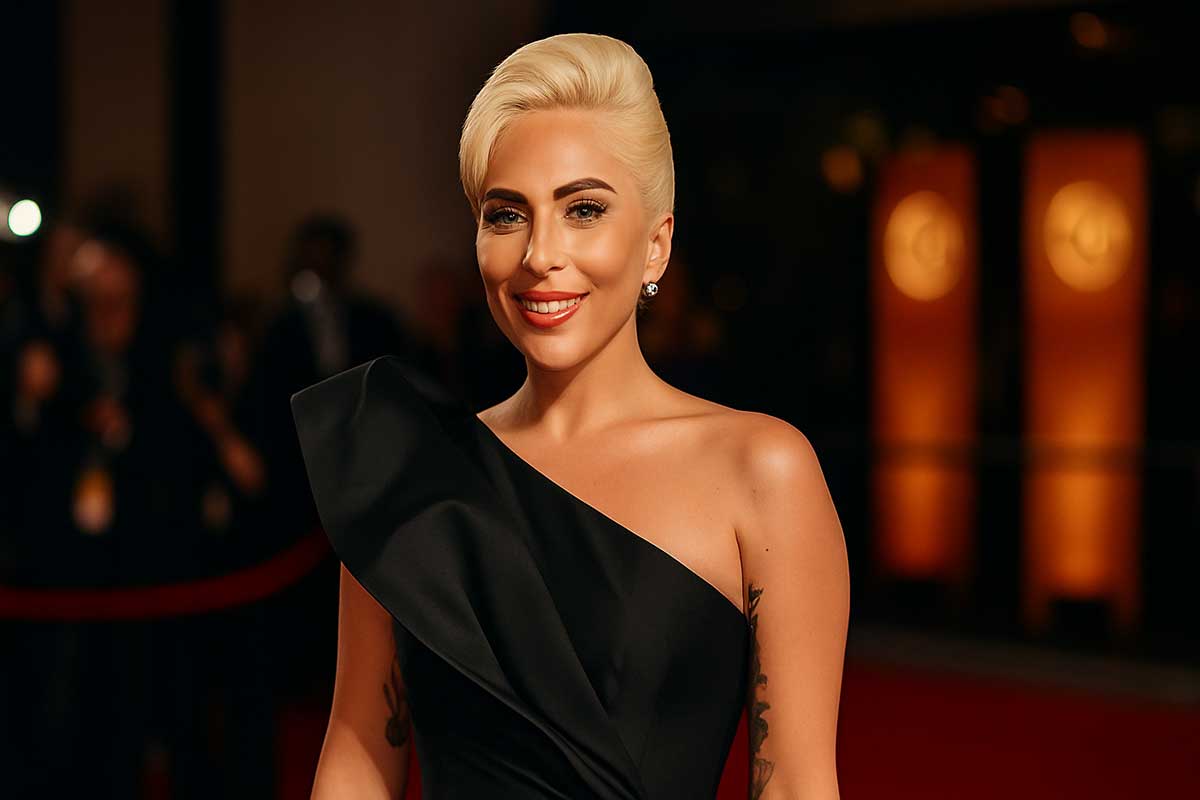
The words “They said I was too strange to succeed” were meant to end a career before it began. Instead, they ignited one of the most powerful transformations in pop history. That singer was Lady Gaga.
Sources
-
rollingstone.com/music/lady-gaga-early-rejections
-
billboard.com/lady-gaga-def-jam-dropped-career-rise
-
boxofficemojo.com/star-is-born-global-revenue
Similar Posts
- ‘You’ll Never Be More Than a Backing Singer’: 300 Million Records Later, Silence Shattered
- “I Was Told I Would Never Make Films”: The Rejection That Sparked an Oscar-Winning Career
- Told She Was ‘Unfit for Television’: The Harsh Criticism That Sparked a Media Revolution
- “I’m Not Beautiful Enough”: Studio Rejection Sparks Hollywood’s Biggest Career Turnaround
- “I Was Told I Had No Future in the Business”: The Criticism That Sparked a Hollywood Icon’s Rise
236M views in 10 weeks: how KPop Demon Hunters dethroned Red Notice
Materialists Raises Eyebrows: Sharp Satire or Elitist Attack on Modern Love?
Park Chan‑wook’s 2025 Venice Comeback: 6‑Minute Ovation and a 20‑Year Return
Julia Roberts’ 6‑minute ovation at Venice 2025 — the quote already igniting awards talk

Ben White is a film and music journalist with more than 12 years of experience covering global entertainment. His reporting spans cinema, streaming, video games, and music culture, with a focus on how creative industries shape and are shaped by audiences worldwide. His work has been published in leading websites. Over his career, he has interviewed directors, actors, and musicians from across the globe, from the red carpets of Cannes and Venice to intimate studio sessions in London and Los Angeles. Ben is recognized for his expertise in tracking industry shifts, particularly the streaming revolution, the evolution of music documentaries, and the future of iconic franchises such as James Bond. He is also a frequent commentator on Radio and various film podcasts. Beyond journalism, he moderates panels at international festivals and contributes to industry discussions on the intersection of storytelling, technology, and audience engagement.