

When an aspiring actor hears that they “have no future in the business,” .The weight of such words can be devastating. In the late 1960s, an unknown carpenter and struggling performer faced this brutal rejection from casting executives in Los Angeles. He had already endured years of failed auditions, bit parts, and behind-the-scenes jobs that barely paid the bills. For someone chasing the dream of making it in Hollywood, these words weren’t just discouragement, they were a sentence of failure. Yet, against every warning, he refused to give up. What followed was a dramatic career reversal that stunned the same industry that once shut the door on him.
Early Struggles and Harsh Dismissals
At the time, the film industry was tightly controlled by studio systems that relied on a small circle of directors. Breaking in was almost impossible for those who didn’t fit the standard mold of a leading man. The actor in question was told that his look wasn’t right. His delivery lacked charisma, and that he should find another trade. For a period, he even turned to carpentry to support his family. He was building cabinets for Hollywood homes while dreaming of better opportunities.
The rejection, however, became fuel. His break came when a young director spotted him working on a set. He offered him a chance to read lines with other actors. Though he wasn’t auditioning, his presence was undeniable, and it led to a small role. That role opened doors to bigger opportunities. Within a few years, he was catapulted into one of the most successful franchises of all time. What had once been a humiliating dismissal transformed into proof: that persistence could defy even the harshest judgments.
Why the Prediction Was Wrong
The prophecy that he had “no future” could not have been more mistaken. Within a decade, this same actor was headlining blockbusters that grossed hundreds of millions of dollars worldwide. His breakout role in a 1977 space opera became a cultural phenomenon. He earned over $775 million globally at the time, one of the highest-grossing films ever. Critics who once ignored him now praised his stoic intensity, his charisma, and his ability to anchor some of cinema’s most beloved adventures.
Colleagues have since recalled how his grounded personality. His refusal to play the Hollywood fame game only made him more compelling. Even as studios dismissed him early on, directors like George Lucas and Steven Spielberg. They saw in him a presence that audiences would never forget. Looking back, it is almost laughable to think anyone doubted his star potential. The prediction wasn’t just false; it became one of the most famous misjudgments in Hollywood history.

This story serves as a reminder of how easily talent can be overlooked, and how one rejection can mask the birth of a legend. The shocking dismissal of having “no future in the business” didn’t break him. It ignited the determination that built one of the most iconic careers in cinema. The actor who endured those words was none other than Harrison Ford.
Sources:
-
https://www.biography.com/actors/harrison-ford
-
https://www.latimes.com/entertainment-arts
-
https://www.boxofficemojo.com
Similar Posts
- “I’m Not Beautiful Enough”: Studio Rejection Sparks Hollywood’s Biggest Career Turnaround
- “You’ll Never Be a Leading Man”: The Words That Almost Erased a Hollywood Icon
- “I Was Told I Would Never Make Films”: The Rejection That Sparked an Oscar-Winning Career
- Told She Was ‘Unfit for Television’: The Harsh Criticism That Sparked a Media Revolution
- The World’s Richest Actor Is Worth $14 Billion—And It’s Not Tom Cruise or Dwayne “The Rock” Johnson
236M views in 10 weeks: how KPop Demon Hunters dethroned Red Notice
Materialists Raises Eyebrows: Sharp Satire or Elitist Attack on Modern Love?
Park Chan‑wook’s 2025 Venice Comeback: 6‑Minute Ovation and a 20‑Year Return
Julia Roberts’ 6‑minute ovation at Venice 2025 — the quote already igniting awards talk
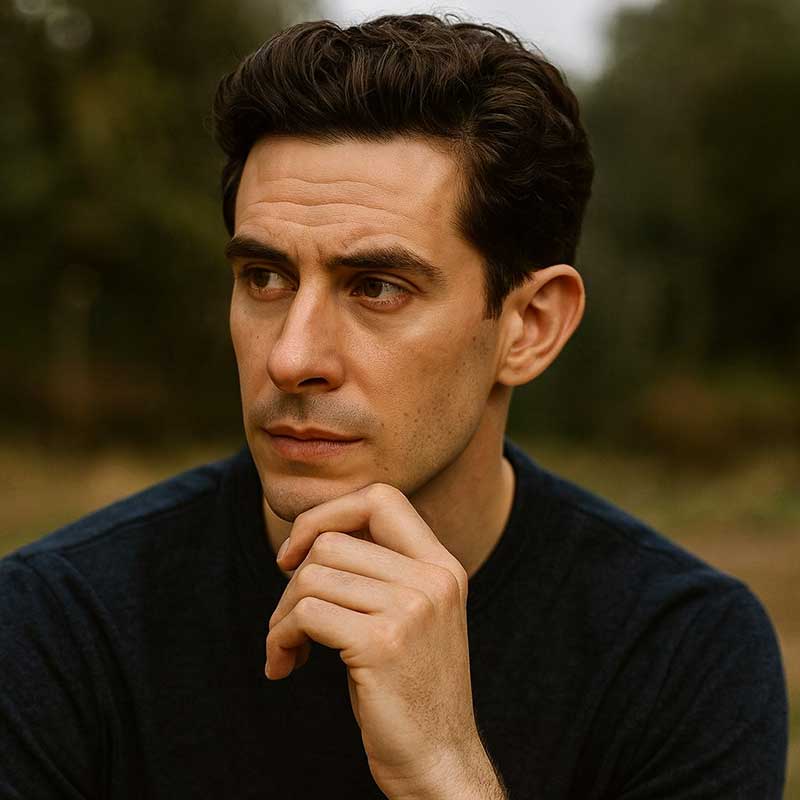
Ben White is a film and music journalist with more than 12 years of experience covering global entertainment. His reporting spans cinema, streaming, video games, and music culture, with a focus on how creative industries shape and are shaped by audiences worldwide. His work has been published in leading websites. Over his career, he has interviewed directors, actors, and musicians from across the globe, from the red carpets of Cannes and Venice to intimate studio sessions in London and Los Angeles. Ben is recognized for his expertise in tracking industry shifts, particularly the streaming revolution, the evolution of music documentaries, and the future of iconic franchises such as James Bond. He is also a frequent commentator on Radio and various film podcasts. Beyond journalism, he moderates panels at international festivals and contributes to industry discussions on the intersection of storytelling, technology, and audience engagement.