

Few quotes cut as sharply as being told you are “unfit for television.” It is a verdict that sounds final, meant to crush ambition and kill a dream before it takes shape. But history has shown that the entertainment industry often misjudges the very figures who go on to redefine it. This particular statement was not only humiliating at the time, but also carried the weight of systemic bias. It represented an era when voices outside the mold struggled to be heard. Yet, what makes this story unforgettable is that the person who endured the sting of rejection did not walk away. Instead, she transformed the insult into a mission that reshaped television, culture, and media forever.
Early Career Rejection and Struggle
The statement came in the 1970s, inside a newsroom in Baltimore. The young broadcaster had been fighting to break into an industry dominated by white male anchors. Despite her dedication and growing skills, she faced blunt rejection. A producer told her she was “unfit for television news,” citing her appearance and style as unmarketable for mainstream audiences. This was not a critique of journalism skills—it was an indictment rooted in prejudice.
The rejection was part of a pattern. In local newsrooms at the time, hiring decisions often excluded women of color, particularly in prime-time slots. Yet, she persisted. The sting of being told she did not belong fueled her determination to stay on air. Rather than accept the verdict, she doubled down on authenticity. This was a gamble in a media landscape where conformity was rewarded. By the late 1970s, her persistence began to show results. Audiences connected with her empathy and candid tone, even as some executives remained skeptical.
From Rejection to Cultural Triumph
The irony of the original rejection is that it turned into a defining strength. By refusing to alter her voice or presentation to fit rigid expectations, she built a unique bond with viewers. National opportunities soon followed. By the mid-1980s, she had launched a talk show that rapidly expanded across the United States. Ratings soared, with weekly viewership climbing into the tens of millions. Her interviews broke barriers, tackling subjects ranging from trauma and politics to celebrity culture.
Industry voices who once doubted her were forced to acknowledge the transformation. Colleagues noted that she not only succeeded but redefined the very format of talk television. Critics who once labeled her “unfit” now hailed her as a cultural force. Her show generated billions in advertising revenue, launched book clubs that turned unknown authors into bestsellers, and reshaped the relationship between television and its audience. What had begun as an insult became the seed of a global media empire.
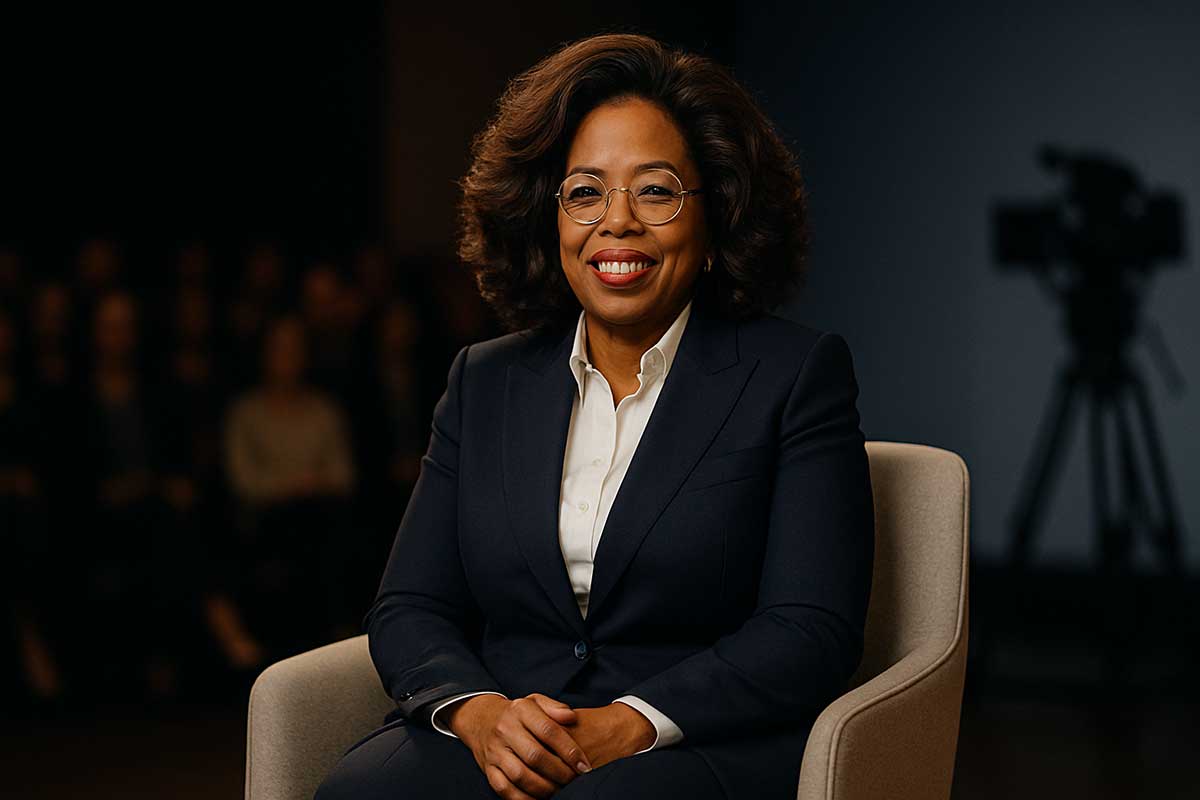
This quote is shocking because it reveals how systemic prejudice nearly erased one of the most important voices in television before it began. By proving the critics wrong, she didn’t just succeed—she reshaped an industry and inspired generations who followed. The person once told she was “unfit for television” was Oprah Winfrey.
Sources
• biography.com/news/oprah-winfrey-biography
• history.com/topics/1980s/oprah-winfrey-show
• oprah.com/about
Similar Posts
- “I Was Told I Would Never Make Films”: The Rejection That Sparked an Oscar-Winning Career
- “You’ll Never Be a Leading Man”: The Words That Almost Erased a Hollywood Icon
- ‘You’ll Never Be More Than a Backing Singer’: 300 Million Records Later, Silence Shattered
- “I’m Not Beautiful Enough”: Studio Rejection Sparks Hollywood’s Biggest Career Turnaround
- “They Said I Was Too Strange To Succeed”: The Rejection That Sparked a 124 Million Record Empire
236M views in 10 weeks: how KPop Demon Hunters dethroned Red Notice
Materialists Raises Eyebrows: Sharp Satire or Elitist Attack on Modern Love?
Park Chan‑wook’s 2025 Venice Comeback: 6‑Minute Ovation and a 20‑Year Return
Julia Roberts’ 6‑minute ovation at Venice 2025 — the quote already igniting awards talk

Ben White is a film and music journalist with more than 12 years of experience covering global entertainment. His reporting spans cinema, streaming, video games, and music culture, with a focus on how creative industries shape and are shaped by audiences worldwide. His work has been published in leading websites. Over his career, he has interviewed directors, actors, and musicians from across the globe, from the red carpets of Cannes and Venice to intimate studio sessions in London and Los Angeles. Ben is recognized for his expertise in tracking industry shifts, particularly the streaming revolution, the evolution of music documentaries, and the future of iconic franchises such as James Bond. He is also a frequent commentator on Radio and various film podcasts. Beyond journalism, he moderates panels at international festivals and contributes to industry discussions on the intersection of storytelling, technology, and audience engagement.