
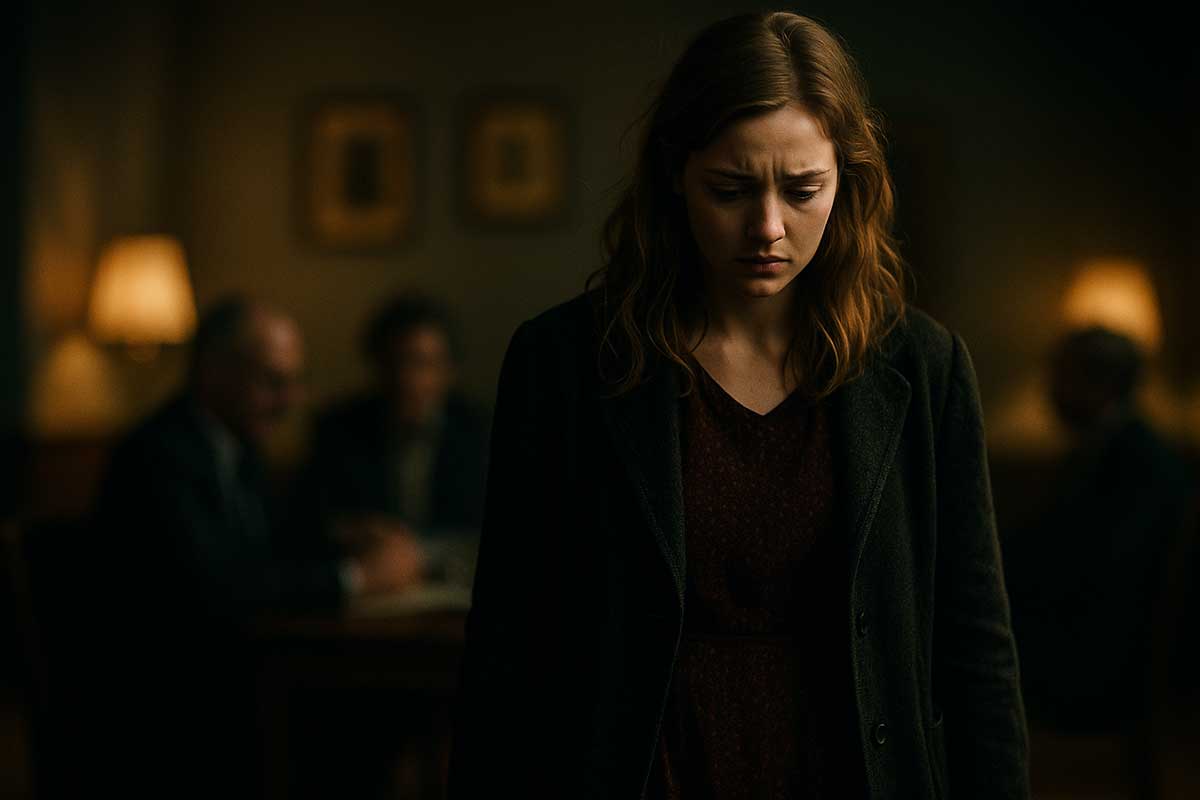
In the 1970s, a casting rejection exposed how brutal Hollywood’s beauty standards could be. During an audition for a major blockbuster, a young actress heard words that could have crushed any career: she was “not beautiful enough” for the role. At the time, the film industry valued looks over talent, and being dismissed for appearance was almost a professional death sentence. Yet this moment became the catalyst for a remarkable journey. What should have been an ending turned into one of the most powerful stories of resilience in modern cinema. The actress transformed humiliation into fuel, reshaping the narrative of what it meant to succeed in Hollywood.
The Harsh Rejection That Defined an Era
The remark was delivered in 1976, when producers were casting the remake of King Kong. The young actress, fresh from theater school, auditioned for the lead but was bluntly dismissed with the line: “I’m sorry, you’re not beautiful enough.” At that time, beauty ideals in Hollywood were rigid, leaving little room for unconventional features. Casting directors believed that glamour and box-office power were inseparable. Instead of fitting in, she was cast aside. The moment could have ended her screen ambitions, as it did for countless women whose looks didn’t fit the mold. Yet rather than giving up, she returned to the stage, determined to let her craft speak louder than any standard of beauty.
Why the Insult Was Both True and False
The rejection revealed an uncomfortable truth about the era: Hollywood cared more about image than talent. In the short term, the statement seemed true, she was excluded from one of the decade’s biggest productions. However, the long-term story proved it false. Over the next decades, her raw talent, ability to embody complex characters, and refusal to conform made her one of the most acclaimed actresses of all time. Critics, colleagues, and audiences alike praised her work. She eventually earned over 20 Academy Award nominations and multiple wins, achievements unmatched by most of her peers. Directors like Steven Spielberg and Mike Nichols openly called her “the greatest living actress.” The very industry that once dismissed her face later celebrated it as the face of authenticity and artistry.
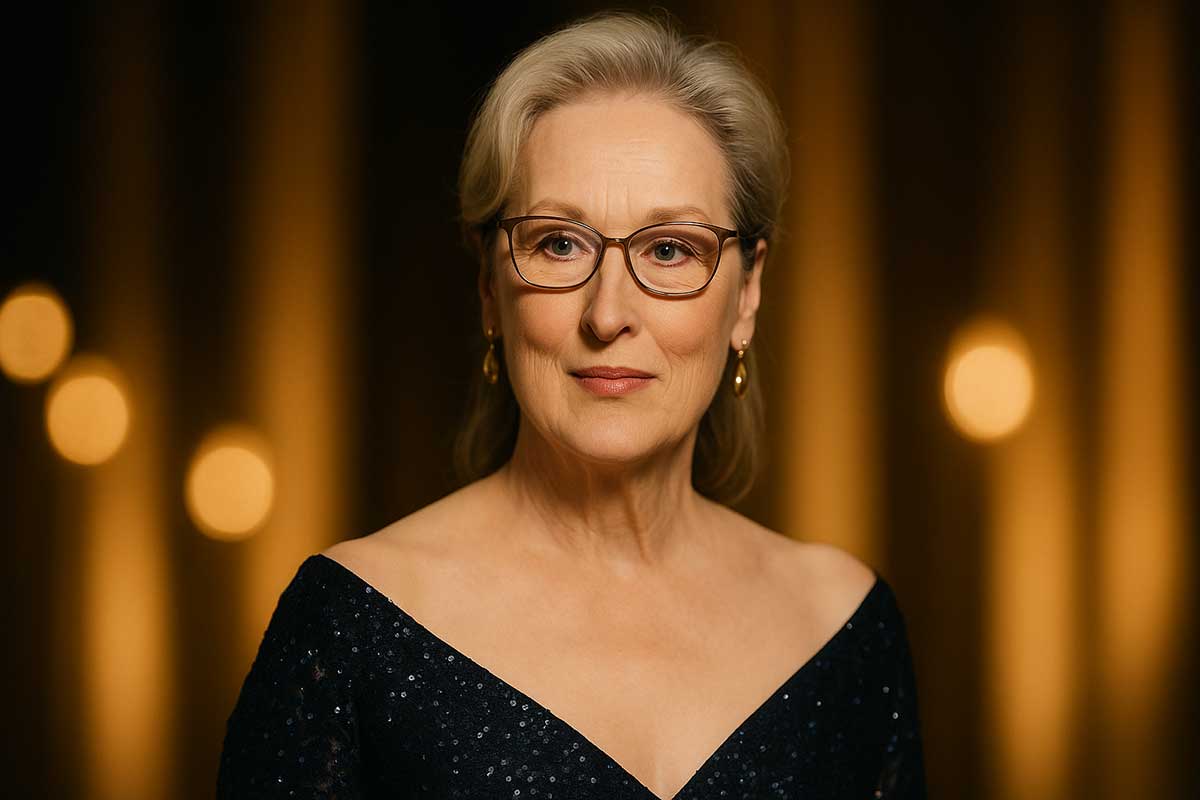
This rejection stands as one of the most shocking and ironic episodes in Hollywood history. A young actress told she was not “beautiful enough” went on to redefine beauty and excellence in acting. The words, both cruel and short-sighted, became the unlikely spark for the extraordinary career of Meryl Streep.
Sources
-
https://www.independent.co.uk/arts-entertainment/films/news/meryl-streep-king-kong-audition-b2009683.html
-
https://www.theguardian.com/film/2015/jan/08/meryl-streep-rejected-king-kong-beautiful-enough
-
https://www.vanityfair.com/hollywood/2015/01/meryl-streep-rejected-king-kong
Similar Posts
- “I Was Told I Would Never Make Films”: The Rejection That Sparked an Oscar-Winning Career
- “I Was Told I Had No Future in the Business”: The Criticism That Sparked a Hollywood Icon’s Rise
- “You’ll Never Be a Leading Man”: The Words That Almost Erased a Hollywood Icon
- IMDbPro Teams Up With International Casting Directors: Revolutionizing Global Casting Speed!
- “They Said I Was Too Strange To Succeed”: The Rejection That Sparked a 124 Million Record Empire
Ben White is a film and music journalist with more than 12 years of experience covering global entertainment. His reporting spans cinema, streaming, video games, and music culture, with a focus on how creative industries shape and are shaped by audiences worldwide. His work has been published in leading websites. Over his career, he has interviewed directors, actors, and musicians from across the globe, from the red carpets of Cannes and Venice to intimate studio sessions in London and Los Angeles. Ben is recognized for his expertise in tracking industry shifts, particularly the streaming revolution, the evolution of music documentaries, and the future of iconic franchises such as James Bond. He is also a frequent commentator on Radio and various film podcasts. Beyond journalism, he moderates panels at international festivals and contributes to industry discussions on the intersection of storytelling, technology, and audience engagement.
The fact that Meryl Streep almost got sidelined proves Hollywood doesn’t care about art — it’s a factory of Botox dolls.
If Meryl Streep was told she wasn’t pretty enough, imagine what happens to actresses without connections. Hollywood is pure elitist garbage.