
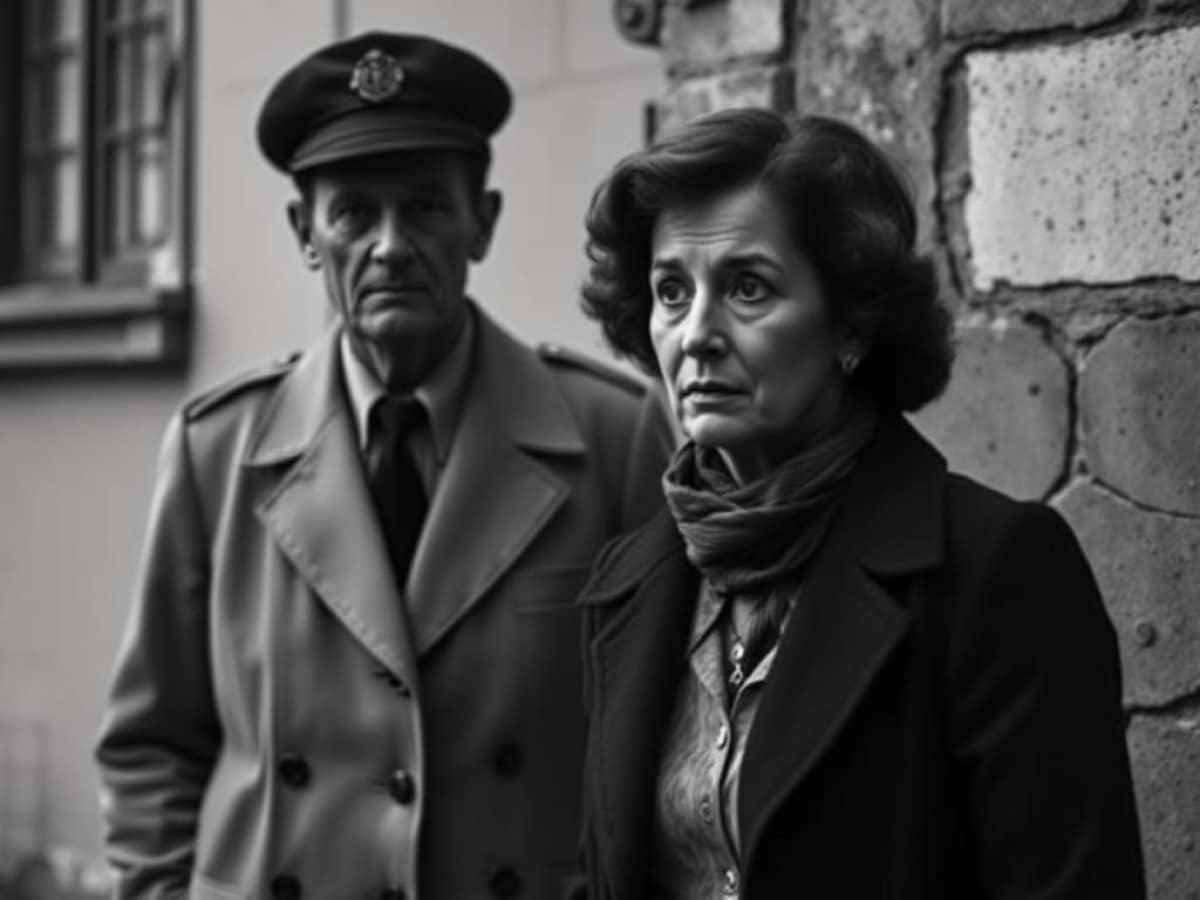
“There’s Still Tomorrow,” a compelling Italian film that dominated the box office in 2023, has now premiered in U.S. theaters. Taking place in June 1946, right before Italian women participated in elections for the first time, this engaging black-and-white film blends feminist themes with humor as it portrays the life of a mistreated working-class housewife in post-war Rome. This film is the bold debut of the multi-talented Paola Cortellesi, who impressively directs, stars, and co-authors the well-crafted screenplay alongside Furio Andreotti and Giulia Calenda. It might seem contradictory to describe a film that includes depictions of violence against women as invigorating, yet the way it navigates these scenes, shifts tones skillfully, and maintains top-notch cinematic quality throughout makes it extraordinarily unique.
Both a critical and popular hit, “There’s Still Tomorrow” was first showcased at the Rome Film Festival in 2023, where it won three awards, including the audience favorite. Since its debut, the film has been celebrated at numerous global festivals for its universal themes of resilience and empowerment among women, earning major accolades in Sydney, Goteborg, and Pingyao, along with various national awards.
236M views in 10 weeks: how KPop Demon Hunters dethroned Red Notice
Materialists Raises Eyebrows: Sharp Satire or Elitist Attack on Modern Love?
Park Chan‑wook’s 2025 Venice Comeback: 6‑Minute Ovation and a 20‑Year Return
Julia Roberts’ 6‑minute ovation at Venice 2025 — the quote already igniting awards talk
Popular on The Bangin Beats
In post-war Rome, still under the watch of American military police, the working class struggles with low wages and food scarcities. Women, in particular, face harsh realities as they are often treated as inferiors by their male counterparts and endure lifelong abuse as part of the prevailing culture.
The film introduces us to Delia (played by Cortellesi), who lives in a cramped basement apartment with her abusive husband Ivano (Valerio Mastandrea), their two boisterous sons, her beautiful teenage daughter Marcella (Romana Maggiora Vergano), and her sexist, bedridden father-in-law Ottorino (Giorgio Colangeli). From the onset, we witness her grim daily life: receiving a slap from Ivano first thing in the morning, enduring inappropriate advances from Ottorino, and facing her daughter’s scorn for her perceived helplessness, including needing her husband’s permission just to leave their home.
Despite the disrespect she faces at home, Delia is highly regarded for her tireless work outside the home, which includes assembling umbrellas, sewing lingerie, administering injections, and washing clothes. Though Ivano takes her modest earnings—and those of Marcella, whom he forced to quit schooling for work—Delia has secretly saved nearly 8,000 lira for Marcella’s wedding dress.
When Marcella becomes engaged to Giulio (Francesco Centorame), the son of elitist café owners, Delia hopes for a brighter future for her daughter. However, after overhearing troubling conversations between the young couple, Delia, with the unexpected help of a kind American soldier (Yonv Joseph), disrupts the engagement and rethinks how best to use her savings for Marcella’s benefit.
The film’s clever screenplay not only situates the narrative within a specific historical context but also subverts the audience’s expectations, introducing characters like the gentle mechanic Nino (Vinicio Marchioni), who still harbors feelings for Delia, and a mysterious letter that could change her circumstances.
The sharp dialogue, filled with humor, highlights the class disparities and the cultural expectations surrounding Delia. Ottorino, the cantankerous father-in-law, delivers some of the film’s most memorable lines with his outrageous opinions on topics like cousin marriages and his past as a grave robber.
Echoing the style of Italy’s “Pink Neorealism,” which blends realistic narratives with underlying love stories, Cortellesi’s direction also innovatively incorporates music and choreography from musicals to depict scenes of domestic strife.
Cortellesi’s portrayal of Delia’s transformation from a subdued housewife to a woman of defiance is compelling and authentic, supported by a cast that excels in both major and minor roles. The film also highlights the solidarity among neighborhood housewives who, seeing Delia’s suffering, offer their support in subtle yet meaningful ways.
The film’s technical aspects deserve commendation as well, particularly the editing by Valentina Mariani, which effectively contrasts Delia’s oppressive home life with her public experiences.
Similar Posts
- PS5 Update: Classic Console Themes Return Tomorrow!
- Italian Rising Stars Shine: Young Filmmakers Dominate Cannes’ Un Certain Regard
- Laura Samani Reveals ‘Sexual Tension’ in Award-Winning ‘A Year of School’: A Swedish Girl in All-Male Class
- Star-Studded ‘I Am Curious Johnny’ Trailer Drops: See Pigozzi with Jagger, Stewart Before Rome Fest!
- Stefan Dordevic’s ‘Winds, Talk to Me’ Captures Heart of Sarajevo: Triumph at Film Festival!

With a knack for uncovering hidden gems, Blake dives deep into the world of indie films and underground cinema.