
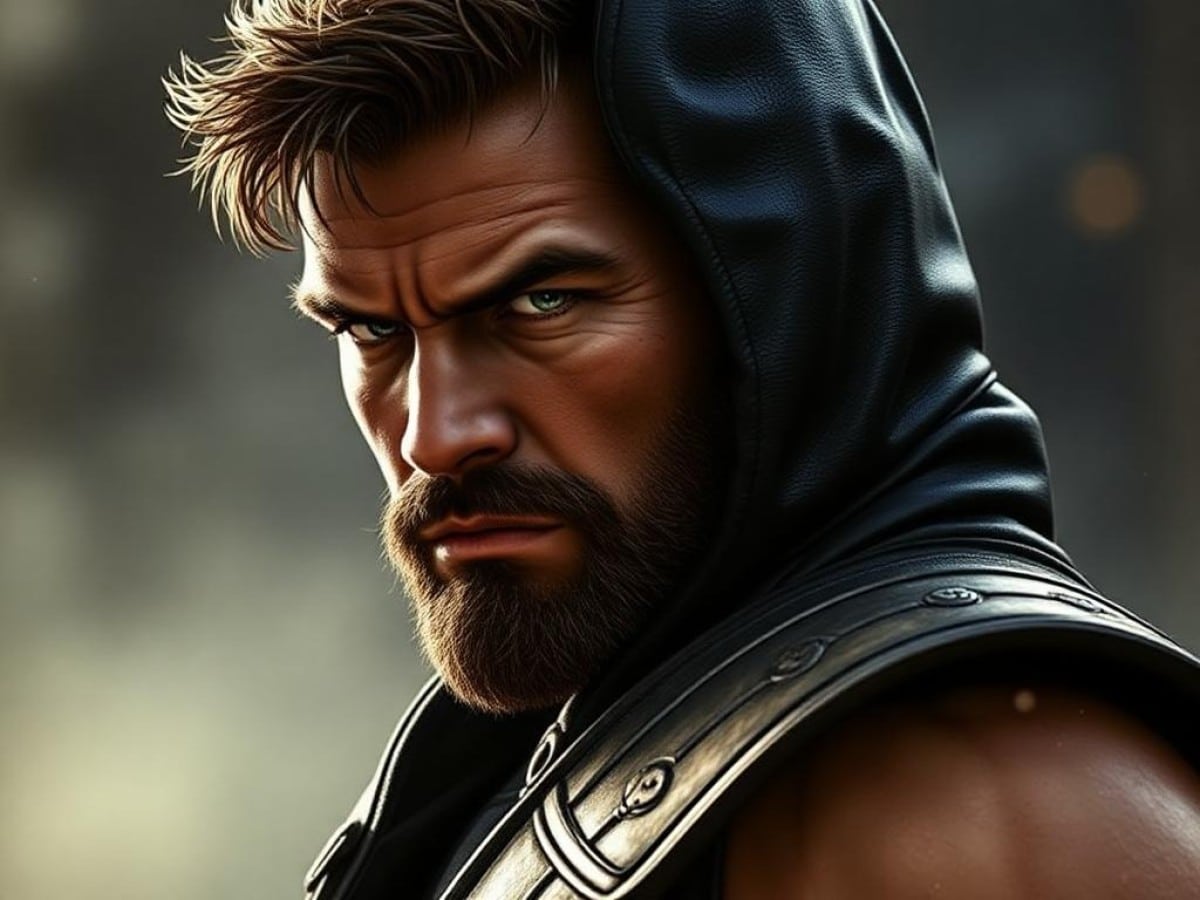
Reviving Mortal Kombat in 2021, directed by McQuoid, premiered both in cinemas and on HBO Max during the COVID-19 pandemic, setting records as the platform’s most successful premiere to date.
“Creating the [initial] film, Warner Bros. was unsure of the audience’s reception. We were working with a modest budget, which meant we couldn’t match the grandeur of major superhero films,” recounted Garner. “The constraints were significant because they were still figuring out what they had on their hands.”
“Its impressive performance on HBO Max, coupled with insights from Mike De Luca and Pam Abdy at Warner Bros., who recognized its potential, allowed us to expand the scale and intensity of the combat scenes in subsequent projects,” Garner explained. (It’s worth noting that De Luca was an emerging executive at New Line Cinema during the era of the original Mortal Kombat films.)
236M views in 10 weeks: how KPop Demon Hunters dethroned Red Notice
Materialists Raises Eyebrows: Sharp Satire or Elitist Attack on Modern Love?
Park Chan‑wook’s 2025 Venice Comeback: 6‑Minute Ovation and a 20‑Year Return
Julia Roberts’ 6‑minute ovation at Venice 2025 — the quote already igniting awards talk
View the exciting new red band trailer for Mortal Kombat II:
“Unlike many franchises that begin with a prequel, we started with the main film to establish the rules and the universe. This time around, we made sure to include the iconic tournament, aligning with what fans anticipate from Mortal Kombat,” said Garner. “Adding Johnny Cage to the mix, a newcomer to the tournament, makes the storyline easy to follow.”
Director McQuoid revealed that a substantial portion of the movie was filmed using IMAX technology, enhancing not just the combat scenes but the expansive universe of Mortal Kombat.
“We’ve introduced some thrilling new characters like Shao Kahn and ventured into lesser-known realms such as Edenia, bringing a vast scale to these elements. We’ve also elevated various game levels to cinematic grandeur,” McQuoid stated. “In the IMAX version, there are exclusive scenes and details particularly for the die-hard fans that won’t appear in the standard cinema release. I aimed to innovate with the format to enrich the viewing experience.”
With McQuoid directing again and a script by Moon Knight’s Jeremy Slater, the search was on for the perfect Johnny Cage, a beloved character from the games who had only been hinted at in the previous film’s conclusion.
Garner discussed the initial uncertainty about whether audiences would embrace an arrogant actor as the lead in what is essentially a martial arts film. “For those unfamiliar with the game or the franchise, it might seem odd to mix martial arts and superpowers with an arrogant 90s actor,” Garner explained. “Liu served as the sage in the first movie, which set the stage for Johnny Cage’s significant role in the franchise.”
Garner openly addressed the challenge of casting Johnny Cage while satisfying the fans, noting, “I understand everyone has their own perspective and expectations.” He mentioned the diverse suggestions from fans, including wrestler-actor The Miz, martial artist-actor Scott Adkins, and actors like Ryan Reynolds and Glen Powell, who were considered too high-profile for the film’s budget and schedule.
“From the outset, our casting focused on authenticity rather than celebrity. We sought actors who could truly embody characters like Liu Kang, Scorpion, Sub-Zero, Jax, and others,” Garner added. “For Johnny Cage, we needed someone who could fully represent his journey, and Karl was phenomenal in this role.”
“Johnny starts from a low point, his career floundering and his self-confidence shattered. His call to action to fight for Earthrealm’s future marks a transformative journey for him,” Garner continued. “The script beautifully develops Johnny’s character beyond a one-dimensional portrayal, allowing him to regain his swagger as he grows.”
Despite being familiar with Mortal Kombat, Urban credits playing the game with his children and consistently losing to them with deepening his affection for the franchise. “Back when Mortal Kombat first emerged around ’92, I was so broke I couldn’t afford a PlayStation, let alone the game,” Urban recounted.
“Once I learned about the sequel and Johnny Cage’s central role, I actively pursued the part after getting ahold of Slater’s fantastic script,” said Urban. “I’m thrilled not just to play Johnny Cage but to be a part of the Mortal Kombat universe.”
In preparation, Urban immersed himself in all things Johnny Cage and underwent what he described as the most challenging fight training of his career. “My main goal was to ground Johnny in reality, giving him a solid backstory,” Urban explained.
“Part of my preparation involved attending karate tournaments, observing young competitors, and envisioning Johnny’s early days before his rise to stardom. It was a truly enlightening and fascinating journey,” Urban shared.
“
Urban assured that “fans of Johnny Cage will love the signature moves and references we’ve carefully incorporated into the film.” He emphasized that while the film caters to longtime fans, it also aims to appeal to new viewers and moviegoers who enjoy action-packed, adventurous martial arts films. “You don’t need to have played Mortal Kombat or seen the first film to enjoy this one,” Urban concluded.
Urban also proudly compared the sequel to a cinematic benchmark: “I believe Mortal Kombat II is to Mortal Kombat what The Road Warrior is to Mad Max. The entire production has been elevated significantly. This representation of the world and these characters is the best yet, and I can’t wait for audiences to see it. As the trailer shows, it’s a major upgrade.”
Similar Posts
- Mortal Kombat 2 Unveils Karl Urban as Johnny Cage: See the First Look!
- Mortal Kombat 2 Showdown: Scorpion vs. Noob Saibot’s Epic Impact on the Sequel!
- Mortal Kombat 2 Poster Mocks Tom Cruise: See the Hilarious Mission: Impossible Jab!
- Mortal Kombat II Delayed: Epic Sequel Set for Next Summer Release!
- Mortal Kombat 2 Opener Packs a Punch: Get Ready for a Jaw-Dropping Start!
From political headlines to cultural debates, Damien breaks down the news with clarity and depth, making complex topics easy to grasp.