
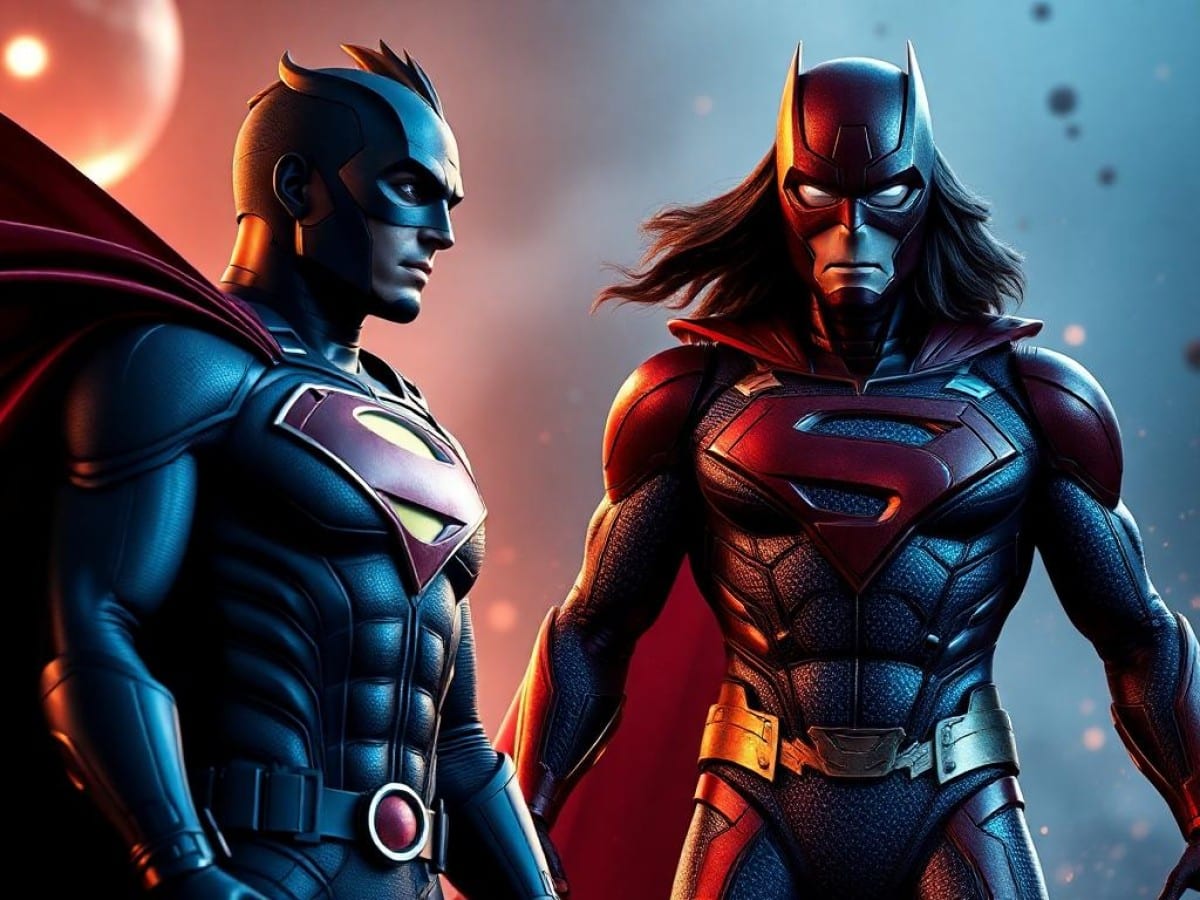
If the phenomenon of superhero fatigue has truly taken hold, the production of these blockbuster movies could be compared to an addiction. Movie studios, seduced by the seemingly endless profitability of comic book adaptations, began producing them in excessive quantities. They raised the stakes with enormous budgets, intricate connections between characters, and a rapid succession of new releases, each expected to perform spectacularly at the box office like a holiday bonanza. Unfortunately, this strategy didn’t pan out as hoped. For the movie-going public, the abundance of content led to a sense of diminishing returns. The relentless barrage of superhero films threatened to undermine the very genre that had been so lucrative.
This summer, however, marked a refreshing turn with the release of two groundbreaking superhero films, “Superman” and “The Fantastic Four: First Steps.” Both DC and Marvel, the dominant studios in the superhero arena, have effectively hit the reset button, steering the genre away from previous excesses. These films have resonated with audiences by balancing grand visual spectacles with genuine emotional depth, restoring a level of human connection that had been lost in the recent glut of superhero productions.
Popular on The Bangin Beats
However, even these two impressive films alone do not signify a complete overhaul. James Gunn, co-chairman of DC Studios and director of “Superman,” along with Kevin Feige, president of Marvel Studios, have both acknowledged the need for a new direction with a candid recognition of past shortcomings. Gunn has pledged to not move forward with any superhero project without a solid, well-developed script, addressing the often-criticized over-reliance on flashy CGI at the expense of storytelling. Feige has committed to producing fewer projects, focusing on quality over quantity, a stark contrast to Marvel’s previous approach of rapidly expanding their cinematic universe with lesser-quality works. Their sincerity gives hope to those invested in the future of cinema, emphasizing the importance of a robust and creatively disciplined approach to blockbuster filmmaking.
In their latest films, “Superman” directed by Gunn and “The Fantastic Four” by Matt Shakman, both directors smartly bypass the typical origin story tropes to focus on what might be considered the second act of their heroic narratives. Historically, these second chapters often capture the essence of what makes comic book films memorable. Examples like “The Dark Knight,” “Superman II,” and “Spider-Man 2” highlight this trend, being regarded as some of the best in their respective series.
236M views in 10 weeks: how KPop Demon Hunters dethroned Red Notice
Materialists Raises Eyebrows: Sharp Satire or Elitist Attack on Modern Love?
Park Chan‑wook’s 2025 Venice Comeback: 6‑Minute Ovation and a 20‑Year Return
Julia Roberts’ 6‑minute ovation at Venice 2025 — the quote already igniting awards talk
While these second acts are generally well-received, they also represent the easier part of storytelling. “The Fantastic Four,” in particular, benefits from a straightforward narrative structure. However, a teaser at the end hints at potential complexity ahead, with a mention of their return in the ensemble movie “Avengers: Doomsday,” which will feature a crowded lineup of 14 superheroes. This could potentially signal a return to the overwrought style that audiences grew weary of.
The commitment of Gunn and Feige to quality is promising, but the real test will come as the newly refreshed universes of DC and Marvel expand and become more intricate. The challenge will be maintaining the fresh, unburdened charm of “Superman” and “The Fantastic Four” without reverting back to being just another cog in a giant, interconnected machine. While it’s pessimistic to assume failure is inevitable, it’s realistic to recognize that there’s a significant risk of falling back into old habits.
Similar Posts
- James Gunn Slams $700 Million ‘Superman’ Flop Speculations: Calls It ‘Nonsense’!
- Fantastic Four Revival: 4 Key Reasons It Rescued Marvel’s Box Office!
- James Gunn Consults Zack Snyder on Superman’s Classic Trunks: Snyder Admits Struggle with Design!
- ‘Superman’ Finale Frees DC Universe: A New Era in Superhero Cinema Unfolds!
- Spider-Man Reborn: Iconic 1962 Debut Recreated Panel By Panel in New Comic!

With a knack for uncovering hidden gems, Blake dives deep into the world of indie films and underground cinema.