
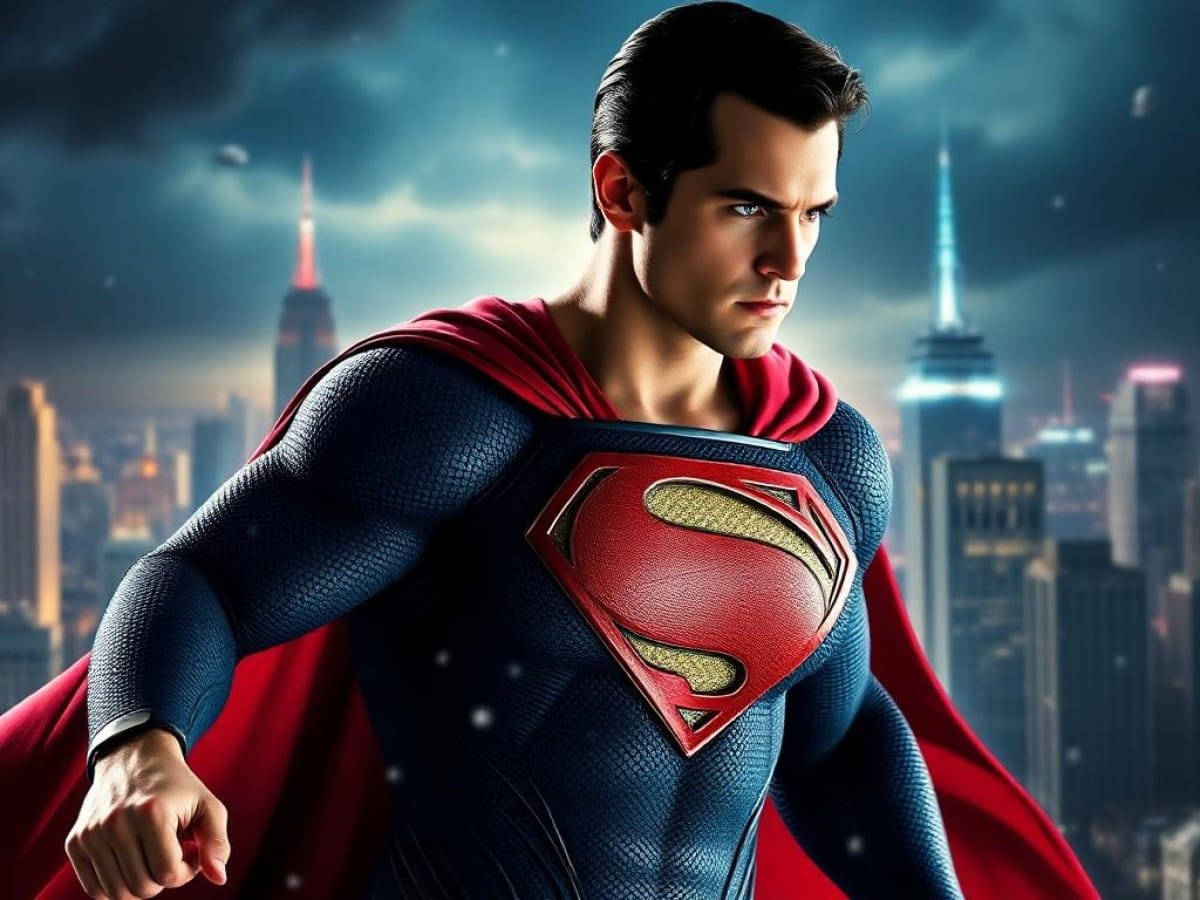
CAUTION: SPOILERS AHEAD: This article contains significant spoilers about the plot and conclusion of “Superman,” currently showing in cinemas.
At the height of “Superman”—the inaugural movie from DC Studios marking the beginning of the revamped DC Universe—the metropolis of Metropolis finds itself torn asunder. The villainous Lex Luthor (portrayed by Nicholas Hoult) unleashes a cross-dimensional breach aimed at luring out Superman (played by David Corenswet) to ultimately destroy him. As the breach ominously advances towards the urban landscape, director James Gunn meticulously shows the city’s residents evacuating in an impressively calm and organized manner. This orderly exit ensures that when the city’s structures start to split and collapse, it is understood that they are largely unoccupied.
The imagery reminiscent of the 9/11 tragedies has been a recurring theme in superhero films for years. However, what sets this new “Superman” film apart is the resilience of Metropolis’s citizens to such catastrophes. Although they are not fond of dodging debris, they have grown accustomed to it—as Gunn establishes early in the film, superhumans and villains have been a reality in this universe for 300 years. Humanity has grown somewhat desensitized to the perpetual threats of evil masterminds, monstrous creatures, and apocalyptic events brought about by supernatural entities.
This context allows Gunn to approach the film with a lighter touch, sidestepping the deeper traumatic implications typically associated with such destruction. In contrast, previous films like “Man of Steel” portrayed the first-ever battle between Superman and General Zod as a shocking and horrifying event that directly influenced the plot of its sequel, “Batman v Superman: Dawn of Justice.” Similarly, the catastrophic events in “Avengers: Age of Ultron” led to significant political repercussions in “Captain America: Civil War,” and the universe-altering actions of Thanos in “Avengers: Infinity War” had lasting impacts that reverberated through “Avengers: Endgame.”
The shift in audience expectations over the years is acknowledged by Gunn, who introduces a Lex Luthor for the modern age—a billionaire with a penchant for manipulating public opinion through social media and hiding his adversaries away from the public eye.
Significantly, the central challenges faced by the characters in “Superman” are personal dilemmas rather than external threats. Superman grapples with the revelation of his parents’ ignoble intentions for him, while Lois Lane (played by Rachel Brosnahan) struggles with commitment issues after Superman professes his love. To them, a city-splitting rift is just another routine hurdle.
In a different superhero era, the discovery that Ultraman, Lex’s secret weapon, is actually Superman’s clone might have plunged our hero into deep existential crisis. However, in this film, Superman casually calls upon his dog Krypto and dispatches his clone into a black hole. Simple and entertaining!
Gunn’s “Superman” is often noted for its resemblance to the comic books of DC’s Silver Age, highlighting an era when storytelling was primarily a means for vibrant escapism. By normalizing superhuman feats in the DC Universe, Gunn frees DC Studios from constantly depicting the realistic impacts of such extraordinary events.
236M views in 10 weeks: how KPop Demon Hunters dethroned Red Notice
Materialists Raises Eyebrows: Sharp Satire or Elitist Attack on Modern Love?
Park Chan‑wook’s 2025 Venice Comeback: 6‑Minute Ovation and a 20‑Year Return
Julia Roberts’ 6‑minute ovation at Venice 2025 — the quote already igniting awards talk
At the film’s conclusion, Mister Terrific (Edi Gathegi) manages to reverse the rift and restore Metropolis, albeit with a visible scar across its center. The film’s two post-credit scenes further emphasize this lighter approach: one shows Superman and Krypto enjoying a peaceful moment on the moon, while the other features Superman and Mister Terrific discussing a minor misalignment in a repaired building, with Superman self-deprecatingly acknowledging his own fussiness.
The effortless, straightforward fun displayed in these scenes, and the fact that they do not explicitly set up any forthcoming DCU projects, marks a departure from two and a half decades of superhero cinema conventions.
Gunn seems to suggest that moving forward, superhero narratives don’t need to be overly serious.
Similar Posts
- The Batman – Part II Update: Six Cast Members Have Read the Script!
- James Gunn Slams $700 Million ‘Superman’ Flop Speculations: Calls It ‘Nonsense’!
- James Gunn Consults Zack Snyder on Superman’s Classic Trunks: Snyder Admits Struggle with Design!
- ‘Superman’ Shatters Records: 13 Million Views in 10 Days, Tops HBO Max Since ‘Barbie’!
- James Gunn’s Fiery On-Set Debate With David Corenswet: Inside Look at Superman’s Direction!

With a knack for uncovering hidden gems, Blake dives deep into the world of indie films and underground cinema.