
When this man revealed his plans after leaving Konami in 2015, many in the gaming industry dismissed him as reckless, even delusional. Walking away from the powerhouse behind Metal Gear Solid—a franchise that sold more than 56 million copies worldwide—looked like career suicide. Yet he doubled down, declaring in interviews: “They thought I was crazy, to be honest.” His words captured both the skepticism surrounding his next move and the stubborn belief that fueled it. What followed was one of gaming’s most improbable comebacks, turning doubt into triumph and silence into applause.
Why he Said “They Thought I Was Crazy”
In December 2015, the game creator officially left Konami after months of internal conflict. The split came after Metal Gear Solid V: The Phantom Pain, a game that grossed more than $179 million on launch day alone. Despite that success, he faced corporate restrictions and a very public fallout.
When he announced his independent studio, skeptics questioned his survival. He had no publisher, no team, and no engine. Many assumed he would fade from relevance. But he struck a historic deal with Sony, unveiling Death Stranding at E3 2016. Starring Norman Reedus, Mads Mikkelsen, and Guillermo del Toro, the game fused Hollywood talent with avant-garde storytelling. Released in November 2019, Death Stranding sold more than 5 million copies by 2021.
The man explained in a 2019 BBC interview that people mocked his ambition. To them, a game about loneliness, invisible monsters, and courier missions seemed absurd. But he insisted the theme connection in isolation—was his way to mirror a fragmented world.
Was He Really “Crazy,” or Just Ahead of His Time?
Critics at launch were divided. Some called Death Stranding a masterpiece, others labeled it boring. IGN described it as “brilliant but baffling.” Yet, during the COVID-19 pandemic, the game’s eerie parallels to global lockdowns shocked players. His “crazy” idea suddenly felt prophetic.
Norman Reedus defended him, saying in 2020: “he sees things before the rest of us.” Guillermo del Toro echoed this, praising his ability to “turn madness into art.” Meanwhile, detractors argued the game was more style than substance. Still, this talent continued to lean into the narrative, adding a Director’s Cut in 2021 and developing Death Stranding 2, announced at The Game Awards 2022.
Thus, the quote divides: was it genuine madness or visionary foresight? The line between ridicule and genius often blurs, and he thrives exactly in that liminal space.
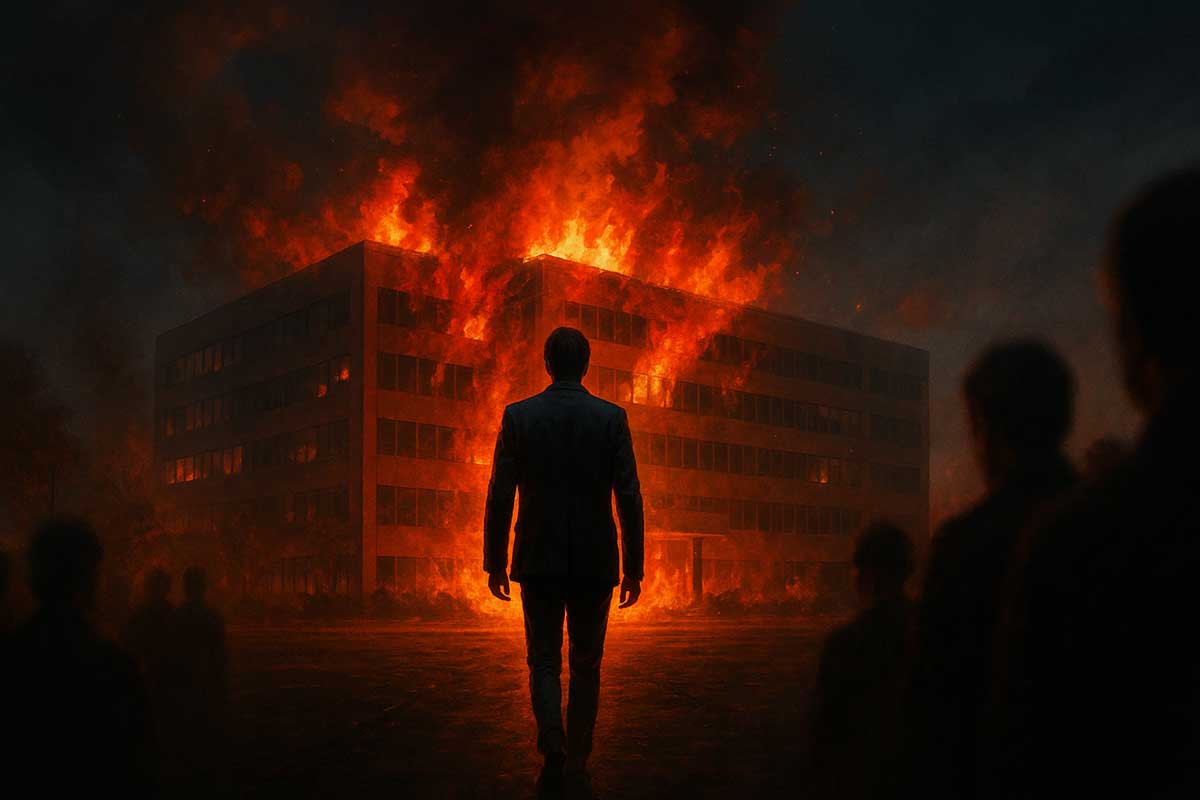
The man behind the words: “They thought I was crazy, to be honest” was none other than Hideo Kojima. Far from fading, he transformed ridicule into legacy, cementing his place as gaming’s most daring auteur. What seemed insane in 2015 now looks like prescience. His career proves that sometimes, being called crazy is the first step toward redefining an art form.
236M views in 10 weeks: how KPop Demon Hunters dethroned Red Notice
Materialists Raises Eyebrows: Sharp Satire or Elitist Attack on Modern Love?
Park Chan‑wook’s 2025 Venice Comeback: 6‑Minute Ovation and a 20‑Year Return
Julia Roberts’ 6‑minute ovation at Venice 2025 — the quote already igniting awards talk
Sources
-
https://www.bbc.com/news/technology-50217019
-
https://www.theguardian.com/games/2019/nov/01/death-stranding-hideo-kojima-interview
-
https://www.ign.com/articles/2019/11/01/death-stranding-review
-
https://www.polygon.com/death-stranding-guide/2019/11/1/20941997/hideo-kojima-story-explained
-
https://www.gamesindustry.biz/death-stranding-sells-5-million
Similar Posts
- Metal Gear Solid Delta: Essential Mods Boost Performance, Fix Graphics & Play as Hideo Kojima!
- Hideo Kojima Spills Secrets: Why Death Stranding 2’s Launch Moved to June!
- Kojima Could Have Directed Death Stranding Movie: Inside the Missed Opportunity
- 8 Iconic Movie Worlds That Found Immortality Through Video Games
- Konami Updates Metal Gear Solid 3 Graphics: Models From Original Sexy Posters Asked for Recent Photos!
Ben White is a film and music journalist with more than 12 years of experience covering global entertainment. His reporting spans cinema, streaming, video games, and music culture, with a focus on how creative industries shape and are shaped by audiences worldwide. His work has been published in leading websites. Over his career, he has interviewed directors, actors, and musicians from across the globe, from the red carpets of Cannes and Venice to intimate studio sessions in London and Los Angeles. Ben is recognized for his expertise in tracking industry shifts, particularly the streaming revolution, the evolution of music documentaries, and the future of iconic franchises such as James Bond. He is also a frequent commentator on Radio and various film podcasts. Beyond journalism, he moderates panels at international festivals and contributes to industry discussions on the intersection of storytelling, technology, and audience engagement.