
Slovak filmmaker Miro Remo’s latest film, “Better Go Mad in the Wild,” which clinched the top prize at the Karlovy Vary Film Festival, defies simple categorization, blending elements of drama, fairy tale, and documentary. Remo himself is unconcerned with labeling the film, focusing instead on its authentic portrayal of its subjects’ lives.
The narrative centers around the Klišík twins, František and Ondřej, who live secluded from mainstream society. They are the offspring of Slovak immigrants from Romania who moved to the Šumava region post-World War II, following the departure of German inhabitants.
According to Remo, the twins were raised in a family that placed a high value on truth and respect for all individuals, virtues their parents instilled in them. Remo encountered their story while on a holiday, after his father recommended a compelling book by Aleš Palán that featured narratives about hermits in the Šumava, including the twins.
The world of the Klišík brothers is portrayed as one filled with robust physical activities like arm-wrestling, and their life experiences are expressed through poetry. They themselves remark on the dullness prevalent in the world, appreciating their distinct way of life.
Remo expresses a deep fascination and love for the twins and the magical aura of their existence. While the book provided more detailed factual information, the film opts for a minimalist approach, offering just enough background to understand their stories without overwhelming the narrative.
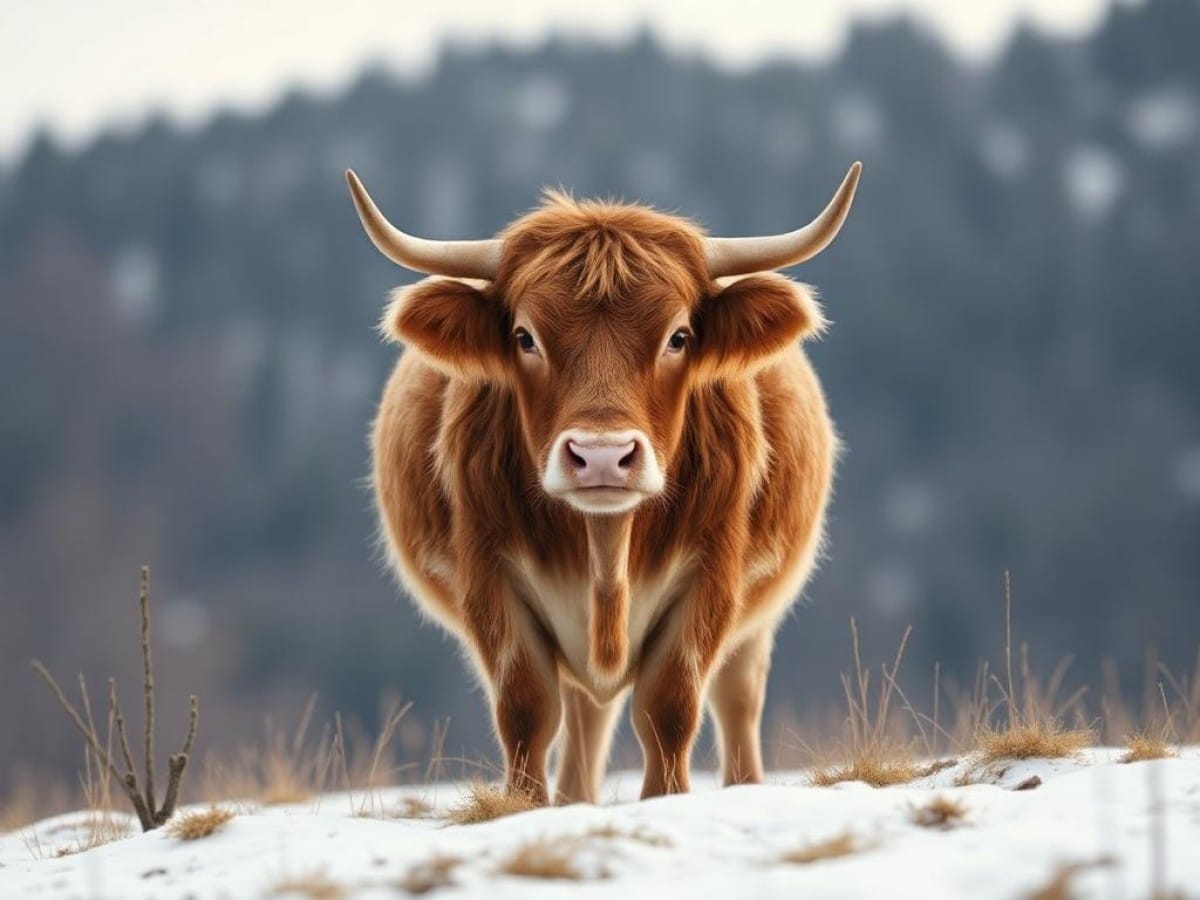
A unique element in the film is a talking cow that narrates the story, illustrating the magical realism that pervades the brothers’ life. Remo spent significant time with the brothers, about 60 days over five years, and felt a deep connection with their world, where he believed even the animals communicated in their way.
The film is envisioned by Remo as a “fairy tale for adults,” though he recognizes the tragic elements in the twins’ lives. He sought to transcend traditional social dramas, exploring the magical aspect of their existence and their unique approach to life, which includes their dealings with substance use.
Throughout the filmmaking process, Remo built a close friendship with the twins, sharing personal fears and aspirations. He aimed for a portrayal that was truthful, fearless, and visually enchanting. The twins had only one condition for their participation: they wanted the freedom to leave the project at any time. However, they stayed, continually engaging with the existential question of prioritizing art or daily life.
236M views in 10 weeks: how KPop Demon Hunters dethroned Red Notice
Materialists Raises Eyebrows: Sharp Satire or Elitist Attack on Modern Love?
Park Chan‑wook’s 2025 Venice Comeback: 6‑Minute Ovation and a 20‑Year Return
Julia Roberts’ 6‑minute ovation at Venice 2025 — the quote already igniting awards talk
Remo admires the artistic spirit of the twins, emphasizing that their approach to poetry and life is deeply poetic and philosophical. He shares a similar playful nature and a background of familial love, which he believes helps him connect with the twins’ choice of a reclusive, magical life over mundane reality.
The film was a collaborative effort, produced by Remo and Tomáš Hrubý through their company Arsy-Versy, with additional production by nutprodukce. Distribution in the Czech Republic and Slovakia is managed by Aerofilms and Film Expanded, respectively.
Similar Posts
- Miro Remo’s ‘Better Go Mad in the Wild’ Wins Big at Karlovy Vary: Stellan Skarsgard Awarded Crystal Globe
- Abraham’s Boys: Van Helsing’s Daylight Battle Against Evil in ‘Dracula’ Sequel!
- Watch Now: ‘A Big Bold Beautiful Journey’ Trailer Unveiled!
- She names her baby after a cult Disney character, but didn’t expect to unleash a torrent of online criticism
- Fairy Tail: 100 Years Quest Hits Blu-Ray This Fall: Grab Your Copy!

With a knack for uncovering hidden gems, Blake dives deep into the world of indie films and underground cinema.