
Insightful Interaction with Miyamoto on Game Design
In discussions on game development, Takahashi shared how Mr. Miyamoto played a pivotal role in refining the gameplay mechanics. Originally, the game was designed to have the player jump using the B button, similar to previous Mario games. However, Miyamoto suggested adjusting it to better suit the game’s digging mechanics. “If you’re digging down, wouldn’t B be more intuitive?” he pointed out. After testing, Takahashi found this change to indeed be more intuitive, a testament to Miyamoto’s insightful contribution.
The interviewer noted that the position of the Y and X buttons on the Switch 2 aligns well with their functions in the game, making it accessible even for those not well-versed in action games. This thoughtful layout consideration enhances the gameplay experience.
Takahashi acknowledged that long-time players might prefer the original control scheme where B is used to jump. To cater to this preference, they included an option to customize the controls, demonstrating flexibility in game design to accommodate different player habits.
Miyamoto’s Influence on Sound Design
Apart from gameplay mechanics, Miyamoto also left his mark on the game’s sound design. Kenta Motokura, the producer, and Naoto Kubo, the sound director, discussed how Miyamoto’s active involvement in the game’s development phase influenced the auditory aspects. Miyamoto and Koizumi frequently interacted with the game’s environment, leading to adjustments in sound effects to enhance the gaming experience.
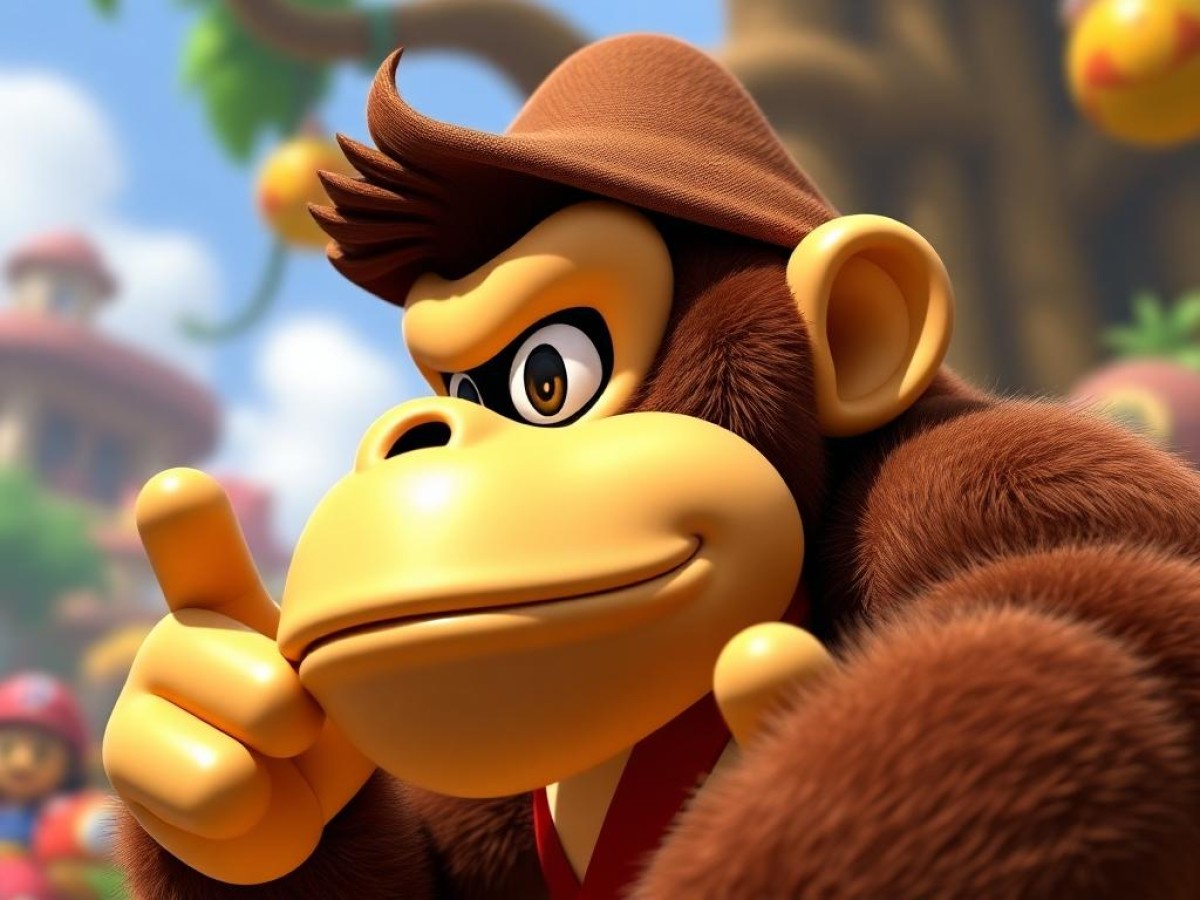
Kubo shared an instance where Miyamoto commented on Donkey Kong’s movements and the accompanying sound effects. He felt that Donkey Kong’s footsteps sounded too light, which could diminish the impact of other sounds like the destruction noises. Initially, the team had kept the footstep sounds subtle to not overpower the destruction effects. However, after several adjustments and feedback sessions with Miyamoto, they achieved a balance that maintained the satisfying feel of destruction while lending a suitable weight to Donkey Kong’s movements.
This meticulous attention to sound detail by Miyamoto ensured that Donkey Kong’s actions had the right auditory impact, aligning perfectly with the visual effects of his movements.
Exploring the Creation and Impact of Bananza
Through various interviews and discussions, including our extensive conversation with Motokura and Takahashi, we’ve uncovered fascinating details about the game Bananza’s development. These insights delve into the reasons behind the game’s conception, its integration into the Donkey Kong series, and the strategic decision to launch it on Nintendo Switch 2.
The collaborative efforts and creative inputs from visionaries like Miyamoto have not only shaped specific elements of the game but have also influenced its overall reception and success. This behind-the-scenes knowledge enriches our understanding of the game’s development process and highlights the importance of thoughtful design and customization in creating an engaging player experience.
236M views in 10 weeks: how KPop Demon Hunters dethroned Red Notice
Materialists Raises Eyebrows: Sharp Satire or Elitist Attack on Modern Love?
Park Chan‑wook’s 2025 Venice Comeback: 6‑Minute Ovation and a 20‑Year Return
Julia Roberts’ 6‑minute ovation at Venice 2025 — the quote already igniting awards talk
Similar Posts
- Inside Story: How a Tense Watermelon-Eating Session Shaped Nintendo Switch 2’s Donkey Kong Bananza!
- Donkey Kong Film Confirmed: Mario Movie Team Returns, Listing Shows!
- Zelda Movie Bombshell: Meet the Stars Cast as Link and Zelda!
- Breaking News: Live-Action Zelda Movie Delay Postponed by Nintendo: Fans Must Wait Longer!
- Magic: The Gathering Meets Final Fantasy: Unveiling Game Mechanics and Keywords!

From political headlines to cultural debates, Damien breaks down the news with clarity and depth, making complex topics easy to grasp.