
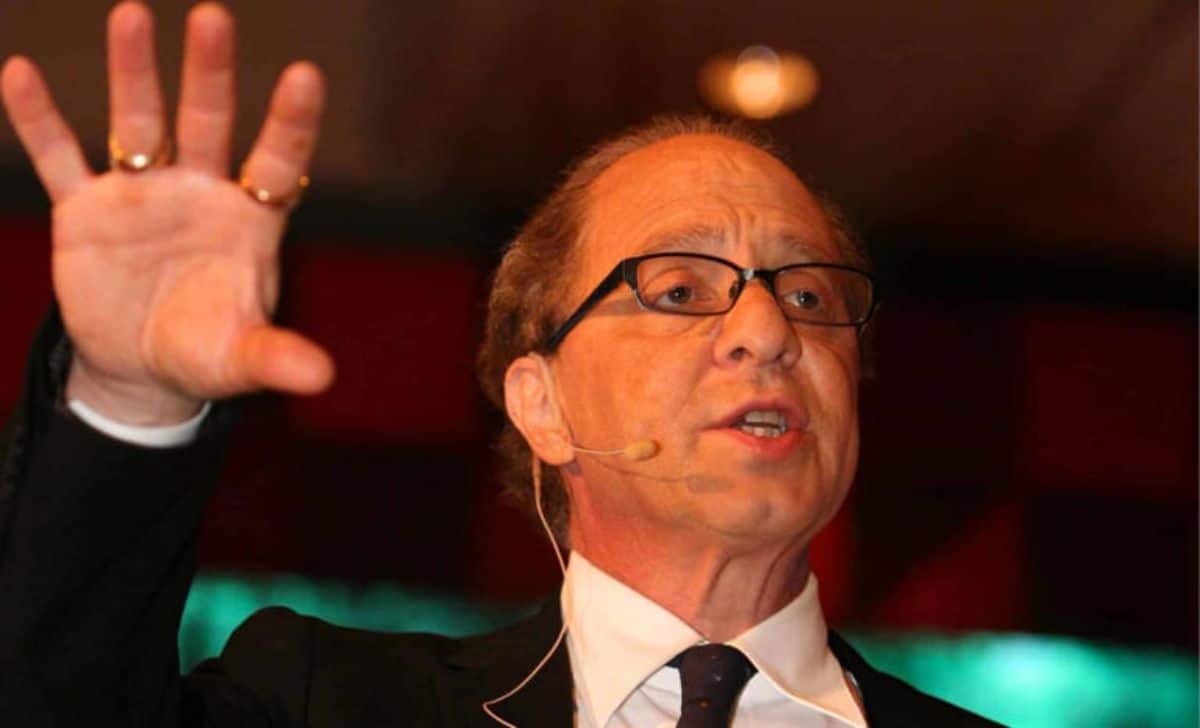
Visionary Futurist’s Bold Predictions
Ray Kurzweil, Google’s Director of Engineering and renowned futurist, has consistently delivered accurate technological forecasts. From predicting internet’s rise to smartphone advent, Kurzweil earned respect as leading technology forecaster.
In latest book “The Singularity is Nearer,” he offers provocative future vision where artificial intelligence and human life intertwine. His predictions could fundamentally reshape how we live and interact with technology.
The Singularity: New Human Epoch
Kurzweil’s vision centers on the Singularity, when AI surpasses human intelligence, triggering irreversible civilization shift. He predicts this monumental event will occur by 2045, with significant transformations beginning in 2030s.
He envisions nanotechnology merging with human biology, creating “neural layers” connecting brains to cloud. This integration will vastly enhance human cognition, enabling thinking and creativity in previously unimaginable ways.
2030: Glimpse into Abundant World
Kurzweil’s 2030 predictions paint exciting picture shaped by technological advancements including digital immortality and medical nanobots. AI could allow interaction with digital recreations of lost loved ones, potentially enabling physical reconstruction.
Tiny robots navigating bloodstream could cure diseases at cellular level, potentially halting aging altogether. Enhanced intelligence through brain-integrated nanotechnology could improve memory and accelerate learning processes significantly.
Resource Abundance Revolution
Advancements in solar energy and automated resource extraction could dramatically reduce material and energy costs. This transformation would make luxury living more accessible to everyone, eliminating traditional scarcity constraints.
Brain-integrated nanotechnology could offer instant access to vast human knowledge pools, fundamentally changing information interaction. Kurzweil believes these breakthroughs could create global society where life essentials reach all.
Skepticism and Ethical Concerns
Critics raise serious ethical questions about potential dangers including overpopulation from immortality and growing enhanced versus non-enhanced divides. Ethical concerns surrounding AI autonomy and machine-dominated world cause understandable unease among experts.
236M views in 10 weeks: how KPop Demon Hunters dethroned Red Notice
Materialists Raises Eyebrows: Sharp Satire or Elitist Attack on Modern Love?
Park Chan‑wook’s 2025 Venice Comeback: 6‑Minute Ovation and a 20‑Year Return
Julia Roberts’ 6‑minute ovation at Venice 2025 — the quote already igniting awards talk
Yann LeCun, Meta’s Chief AI Scientist, argues superintelligent machine fears are premature, stating AI remains far from matching human cognition.
Conclusion
Regardless of exact prediction accuracy, Kurzweil’s ideas prompt consideration of AI-driven future’s broader implications. His optimistic vision challenges embracing technology’s potential while addressing associated risks responsibly.
His abundance-focused world vision forces confronting tough questions about enhanced intelligence adaptation and indefinite life expectancy. Most importantly, ensuring these advancements benefit everyone, not just privileged few, remains crucial challenge.
Similar Posts
- A Study Warns: Children are More Likely to Follow Advice From a Robot Than From an Adult
- When AI interferes with relationships: the incredible story of a woman who trusted ChatGPT with her marriage
- Elon Musk Transforms Connectivity: iPhones and Androids Can Now Make Calls Anywhere on Earth via His Satellites
- AI Takes Center Stage: Loyola Marymount’s Film Festival with Cutting-Edge Panels & Installations
- This parrot doesn’t imitate, it converses! It asks questions and understands your answers

A pop culture aficionado with a sharp eye for trends, Jason covers everything from Hollywood blockbusters to viral internet moments.