
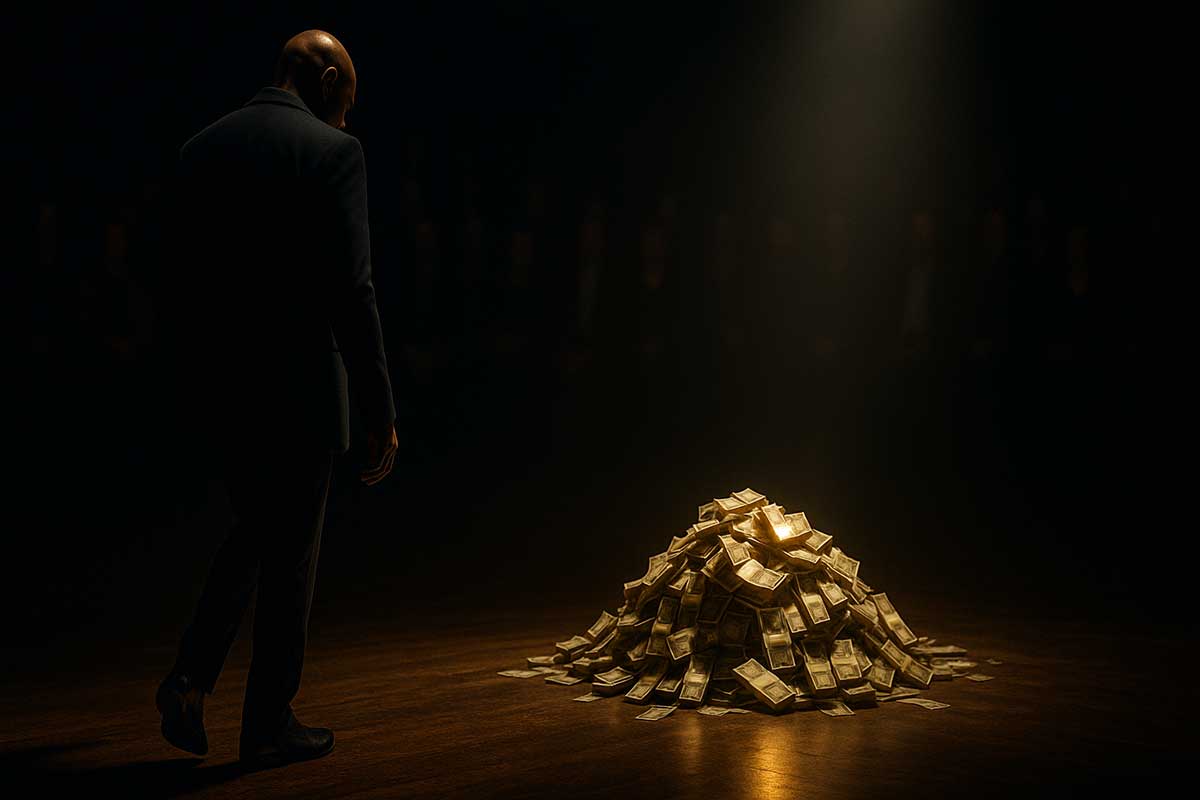
When Dave Chappelle walked away from a $50 million Comedy Central deal in 2005, the world branded him “crazy.” The comedian, then at the height of his fame with Chappelle’s Show, disappeared suddenly, leaving fans, executives, and the media stunned. In later interviews, Chappelle admitted, “I remember they called me crazy.” This statement has since become a defining reflection of his career and personal struggle. But was he truly “crazy,” or was he simply ahead of his time in resisting the pressures of fame, money, and corporate control?
Why Did He Turns his Back to $50 Million
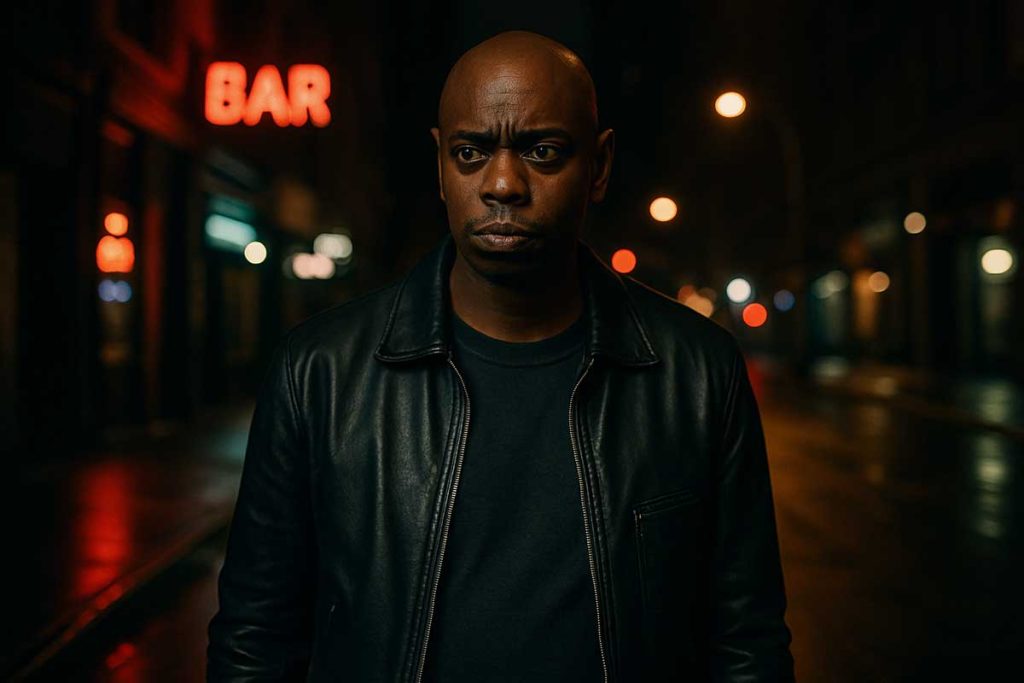
Chappelle’s remark comes from his own recollections of the backlash after quitting Chappelle’s Show. The series, which debuted in January 2003, quickly became a cultural phenomenon, pulling in over 3 million viewers per episode by its second season. Comedy Central, banking on Chappelle’s success, offered him a record-breaking $50 million contract. Yet by April 2005, he walked away, vanishing to South Africa without explanation.
In later appearances, including his famous 2006 Inside the Actors Studio interview and a 2017 CBS News sit-down, Chappelle explained that the environment had grown toxic. He felt the comedy he was producing was being misinterpreted, and the pressure to deliver under the network’s expectations clashed with his values. Hollywood insiders, journalists, and even close collaborators branded him unstable. Rumors of drug abuse, mental breakdowns, and paranoia spread quickly. His quote, “I remember they called me crazy,” reflects not only those public reactions but also the stigma attached to rejecting conventional success.
Breaking Down the Controversy
So, was he “crazy” to walk away? Financially, the move shocked industry insiders. Few had ever rejected that kind of money. But in hindsight, many view his decision as visionary. By rejecting the system, Chappelle preserved his authenticity. When he returned to comedy years later, he signed a groundbreaking $60 million deal with Netflix in 2016, proving his instincts were right.
Chappelle himself has said in a 2019 Netflix special: “The worst thing to call somebody is crazy. It’s dismissive.” Close friends like Neal Brennan, his Chappelle’s Show co-creator, later admitted that while they were bewildered by his departure, they came to understand his choice. The audience, too, shifted with time. What once seemed like madness now looks like defiance against a system that often chews up its stars.
His quote stands at a crossroads between truth and misunderstanding. Yes, he was called crazy. But false is the implication that he was wrong. In fact, history has proven the opposite: his so-called “crazy” move became a model of artistic integrity.
Dave Chappelle’s quote “I remember they called me crazy” encapsulates the thin line between madness and genius in entertainment. What the public once dismissed as insanity was, in reality, a radical act of preservation. His story reminds us how quickly society labels nonconformity as unstable, only to later celebrate it as brilliance. Chappelle turned a stigma into a legacy.
Sources
-
https://www.nytimes.com/2005/05/15/arts/dave-chappelle-breaks-his-silence.html
-
https://www.cbsnews.com/news/dave-chappelle-why-he-left-comedy-central-50-million-deal/
-
https://www.vanityfair.com/hollywood/2017/08/dave-chappelle-career-return
-
https://www.theguardian.com/stage/2017/jan/02/dave-chappelle-comedy-netflix
-
https://www.hollywoodreporter.com/lifestyle/lifestyle-news/dave-chappelle-career-legacy-1235087
Similar Posts
- “They Thought I Was Crazy”: But 5 Million Sales Proved Them Wrong
- South Park Creators Blast Paramount-Skydance Merger: Claim It’s Ruining Their Show!
- Julia Roberts’ 6‑minute ovation at Venice 2025 — the quote already igniting awards talk
- Materialists Raises Eyebrows: Sharp Satire or Elitist Attack on Modern Love?
- Captain America Flubs ‘The Last Of Us’ Name: Watch The Hilarious Moment!
236M views in 10 weeks: how KPop Demon Hunters dethroned Red Notice
Materialists Raises Eyebrows: Sharp Satire or Elitist Attack on Modern Love?
Park Chan‑wook’s 2025 Venice Comeback: 6‑Minute Ovation and a 20‑Year Return
Julia Roberts’ 6‑minute ovation at Venice 2025 — the quote already igniting awards talk
Ben White is a film and music journalist with more than 12 years of experience covering global entertainment. His reporting spans cinema, streaming, video games, and music culture, with a focus on how creative industries shape and are shaped by audiences worldwide. His work has been published in leading websites. Over his career, he has interviewed directors, actors, and musicians from across the globe, from the red carpets of Cannes and Venice to intimate studio sessions in London and Los Angeles. Ben is recognized for his expertise in tracking industry shifts, particularly the streaming revolution, the evolution of music documentaries, and the future of iconic franchises such as James Bond. He is also a frequent commentator on Radio and various film podcasts. Beyond journalism, he moderates panels at international festivals and contributes to industry discussions on the intersection of storytelling, technology, and audience engagement.
$50 million on the table and Chappelle said nah, I’m good. They called him crazy… meanwhile half of Hollywood sells their dignity for a free lunch.