
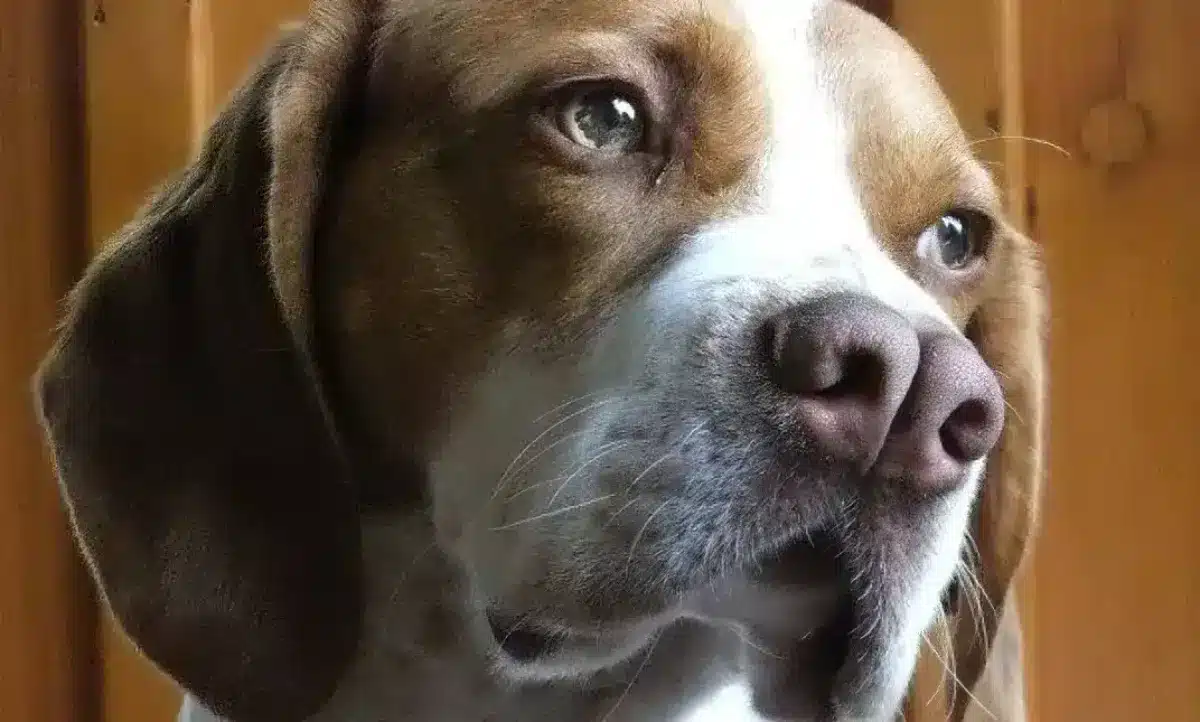
Split-Nosed Dog Could Hold Key to Common Birth Defect
A rare Turkish hunting dog breed with a distinctive split nose might provide crucial genetic insights into cleft lip and palate, a common human birth defect. Researchers from the NIH and Sweden’s KTH Royal Institute of Technology have identified a key genetic mutation in the PDGFRA gene.
This breakthrough study, published in Genome Research, suggests new possibilities for understanding facial development disorders.
The Turkish Pointer’s Unique Genetics
The Turkish Pointer (Catalburun) is known for its uniquely divided nose, a trait almost nonexistent in other dog breeds. Scientists analyzed DNA from nearly 2,000 dogs to identify mutations affecting facial structure.
The research team discovered a specific mutation in the PDGFRA gene, present only in Turkish Pointers, that influences facial development during embryonic growth.
Understanding Cleft Conditions
Cleft lip and palate affect approximately 1 in 700 newborns worldwide. While surgery can correct these conditions, their genetic causes remain largely mysterious.
Known risk factors include smoking and diabetes during pregnancy, but identifying specific genetic causes has been challenging due to human genetic diversity.
Dogs as Medical Research Models
Purebred dogs, with their more homogeneous genomes, serve as excellent models for genetic research. The Turkish Pointer’s rare condition provides a unique opportunity to study facial development genes.
As Dr. Peter Savolainen from KTH explains, “Studying breeds like the Turkish Pointer offers powerful insights that would require massive human studies to achieve.”
Research Implications
While this discovery doesn’t suggest PDGFRA is the primary cause of human cleft conditions, it opens new research avenues. The finding could lead to better understanding of embryonic development and potential treatments.
236M views in 10 weeks: how KPop Demon Hunters dethroned Red Notice
Materialists Raises Eyebrows: Sharp Satire or Elitist Attack on Modern Love?
Park Chan‑wook’s 2025 Venice Comeback: 6‑Minute Ovation and a 20‑Year Return
Julia Roberts’ 6‑minute ovation at Venice 2025 — the quote already igniting awards talk
The study demonstrates how rare dog breeds can contribute to human medical research in unexpected ways.
Conclusion
This groundbreaking research highlights the valuable connection between veterinary and human medicine. While further studies are needed, the Turkish Pointer’s unique genetic makeup could help develop more effective treatments for cleft conditions. It’s a remarkable example of how man’s best friend continues to contribute to human health advances in surprising ways.
Similar Posts
- Neanderthal Mice? This Genetic Experiment Has The Scientific Community Intrigued
- Hidden in the icy waters of Greenland, this 6-metre shark could hold the key to human longevity
- We Finally Know How to Talk to Dogs so That They Really Obey… And It’s Not What You Think
- Japanese scientists have reportedly succeeded in removing the chromosome responsible for Down syndrome
- “Blaschko’s lines reveal everything”: this invisible pattern on your skin could betray your illnesses and longevity

A pop culture aficionado with a sharp eye for trends, Jason covers everything from Hollywood blockbusters to viral internet moments.