
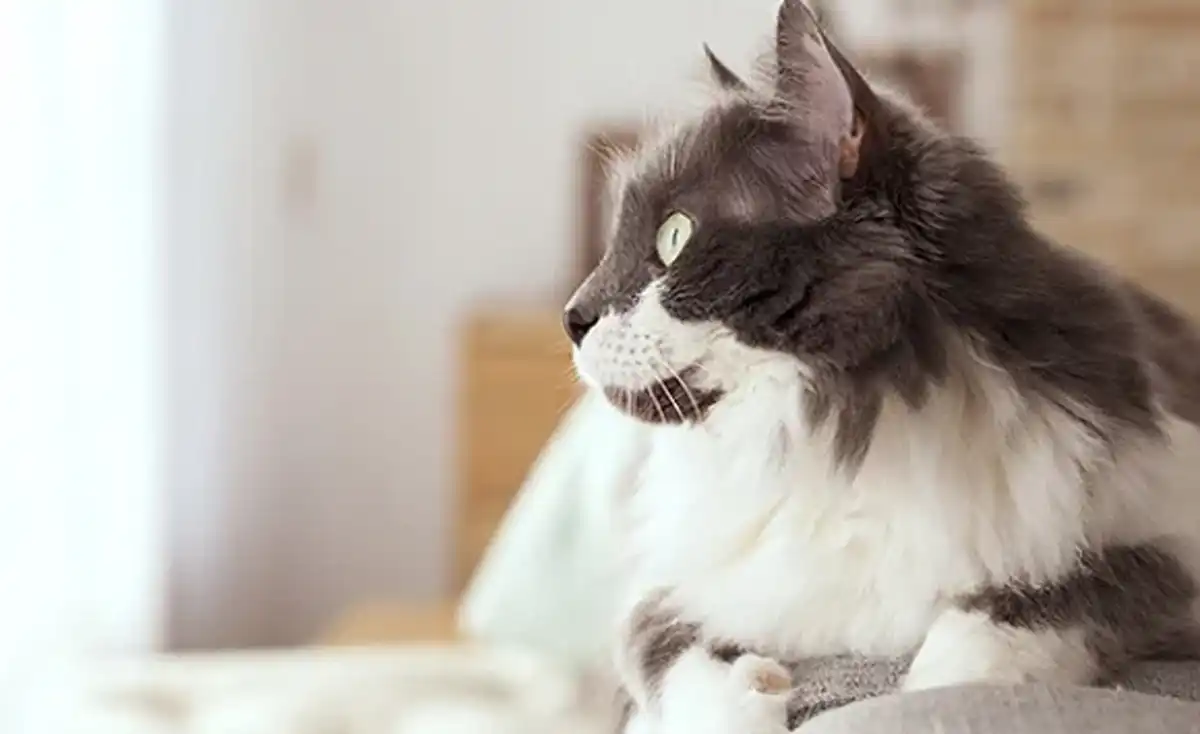
Breaking news: household cat becomes viral detective
In an extraordinary twist of events, a regular house cat is helping advance virology research. Pepper, a black domestic shorthair living with University of Florida virologist John Lednicky, has turned his hunting habits into groundbreaking scientific discoveries.
Unlike most pet owners who discard their cats’ “presents,” Dr. Lednicky saw these catches as golden opportunities for emerging virus research.
First discovery: a game-changing mouse catch
In 2023, Pepper’s ordinary mouse hunt led to an extraordinary finding: the identification of Gainesville rodent jeilongvirus 1, previously unknown in North America. This virus family, previously only found in Africa, Asia, Europe, and South America, raised eyebrows due to its ability to infect multiple species.
Scientists became particularly interested in its zoonotic potential – the ability to jump between different animal species and possibly to humans.
Latest discovery: new virus strain in Florida
Recently, Pepper outdid himself by bringing home an Everglades short-tailed shrew. Dr. Lednicky’s analysis revealed another viral breakthrough: the Gainesville Shrew Mammalian Orthoreovirus Type 3, Strain UF-1.
This finding adds to our understanding of orthoreoviruses, which have been found in various mammals including humans, white-tailed deer, and bats.
Why this matters: public health implications
Orthoreoviruses, once considered harmless “orphan” viruses, are gaining attention in the medical community. While rare, some strains have been linked to:
- Encephalitis cases
- Meningitis
- Gastroenteritis, especially in children
The science behind the discovery
Lead researcher Emily DeRuyter emphasizes how these findings challenge previous assumptions about “harmless” viruses. The discovery opens new avenues for understanding these potentially significant pathogens.
Modern research techniques allow scientists to better understand these viruses’ potential impact on human health.
236M views in 10 weeks: how KPop Demon Hunters dethroned Red Notice
Materialists Raises Eyebrows: Sharp Satire or Elitist Attack on Modern Love?
Park Chan‑wook’s 2025 Venice Comeback: 6‑Minute Ovation and a 20‑Year Return
Julia Roberts’ 6‑minute ovation at Venice 2025 — the quote already igniting awards talk
Meet Pepper: the feline research assistant
Pepper continues his normal cat life, showing no signs of illness while maintaining his hunting routine. Dr. Lednicky’s practical approach – “Why not analyze a dead animal instead of just burying it?” – has proven remarkably successful.
The cat’s hunting instinct has become an unexpected asset in scientific research.
Broader impact: global health surveillance
This unusual story highlights the importance of monitoring zoonotic diseases – those that can jump from animals to humans. While larger wildlife often gets attention, smaller rodents and insectivores frequently escape notice.
Pepper’s contributions demonstrate how everyday observations can lead to significant scientific discoveries.
Conclusion: when pets become scientists
This story showcases how ordinary pets can contribute to extraordinary scientific discoveries. Pepper’s hunting habits have not only pleased his owner but have also advanced our understanding of viral threats.
Similar Posts
- A 3,500-kilometre-long mountain range discovered under the Antarctic ice sheet
- Hidden in the icy waters of Greenland, this 6-metre shark could hold the key to human longevity
- This harmless drink accelerates aging in a dangerous way, according to science
- What lies hidden in these Hittite tablets has left experts stunned
- Neanderthal Mice? This Genetic Experiment Has The Scientific Community Intrigued

A pop culture aficionado with a sharp eye for trends, Jason covers everything from Hollywood blockbusters to viral internet moments.