
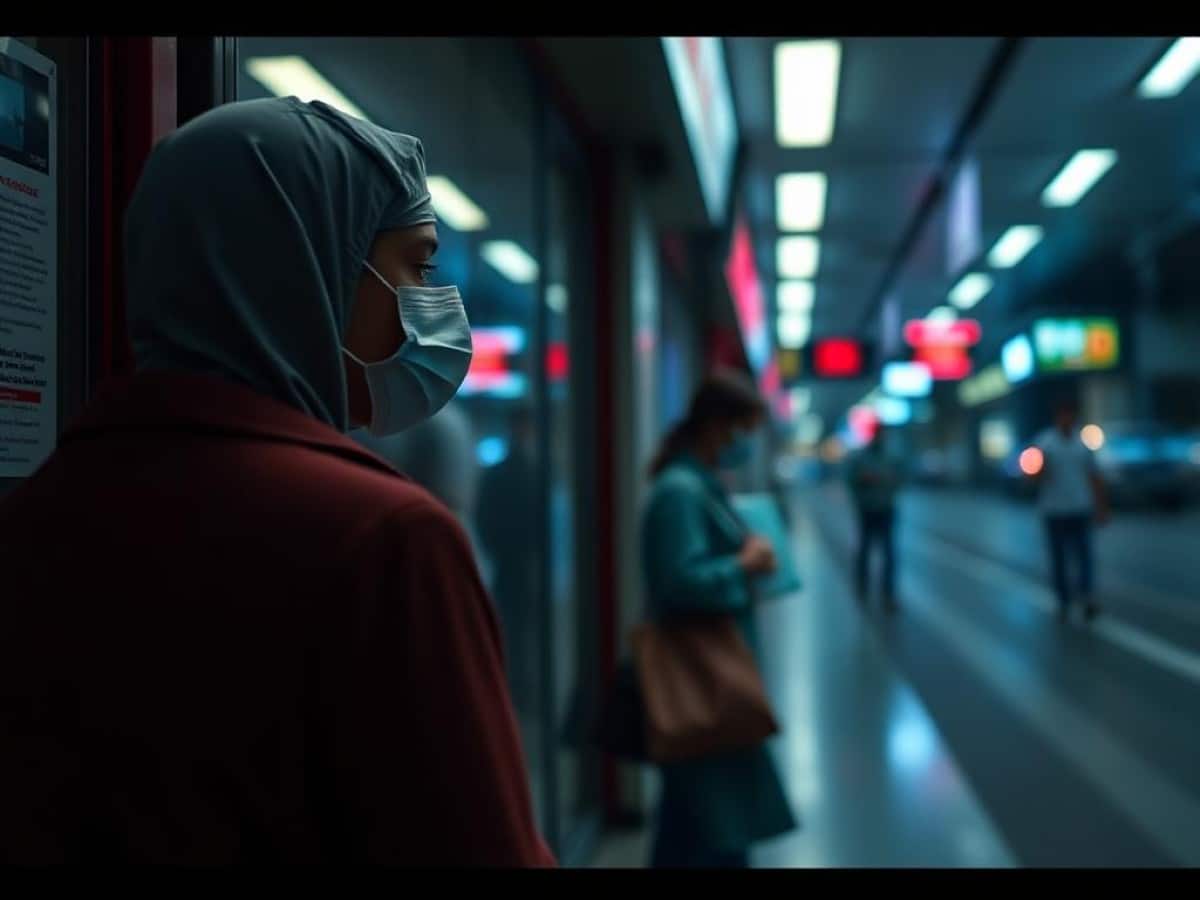
Spcine, São Paulo’s cinematic and television agency, is seeing effective outcomes from its cash rebate initiative as it gears up for its third iteration later this year. Among the beneficiaries of the second rebate installment is the intense medical thriller “Suture,” produced by Boutique Filmes for Amazon Prime Video, with Fabio Montanari at the helm, which garnered R$3 million ($527,000).
The show centers around Ícaro (portrayed by Humberto Morais), a financially struggling doctor, and Dr. Mancini (played by Cláudia Abreu), a leading surgeon dealing with trauma-induced hand tremors, who both lead secret lives conducting unauthorized medical operations.
Additional projects that received partial funding include a Portuguese version of the movie “Friends with Benefits” featuring Justin Timberlake and Mila Kunis (produced by Biônica Filmes for HBO Max), the soap opera “Scars of Beauty” (produced by Coração da Selva for HBO Max), and “Maníaco do Parque” (by Santa Rita Filmes for Prime Video), which dramatizes the life of Brazil’s notorious serial killer.
Initiated in 2021, this program was the first of its kind in Brazil, exclusively dedicated to production incentives at the time.
Ary Scapin, responsible for economic development and strategic partnerships at Spcine, describes the rebate program as a revolutionary development for Brazil’s film industry. Its early successes not only confirmed the program’s effectiveness but also inspired the introduction of similar incentives throughout the nation.
In its second year, now renamed as the Program for Attracting Film Productions to São Paulo City and State, the initiative increased its budget to R$40 million ($7.03 million), thanks to a new partnership between the municipal and state government of São Paulo. Since May 25, 2023, Module 1 of the program, which focuses on international co-productions or service-based productions, has been open for applications, with R$25.5 million ($4.5 million) allocated.
Eligible productions can receive rebates ranging from 20% to 30% on qualifying expenditures. Productions that emphasize sustainability, diversity, and local filming are eligible for higher rebates.
The program stipulates a minimum spend of R$10 million ($1.8 million) for live-action productions and R$7 million ($1.2 million) for animation, with at least 20% of expenditures required to be made outside the capital of São Paulo to promote regional development.
236M views in 10 weeks: how KPop Demon Hunters dethroned Red Notice
Materialists Raises Eyebrows: Sharp Satire or Elitist Attack on Modern Love?
Park Chan‑wook’s 2025 Venice Comeback: 6‑Minute Ovation and a 20‑Year Return
Julia Roberts’ 6‑minute ovation at Venice 2025 — the quote already igniting awards talk
Discussions are underway to renew and possibly expand the collaborative initiative between the city and state, aiming to draw more large-scale domestic and international projects, according to Scapin.
Lyara Oliveira, CEO of Spcine, while confident in the structure of Spcine, acknowledges the ongoing challenge of evolving alongside the dynamic sector and diversifying their strategies in response to industry changes.
Although the rebate program alone may not trigger a nationwide surge in production, there is a positive trend towards increased government backing for the arts, evident from discussions about a R$800 million ($140.6 million) funding proposal from Brazil’s Ministry of Culture.
Scapin notes that the production sector is still rebounding and explains that international productions typically undergo financial cycles that can last up to two years, with many previously scouted projects still in the process of securing necessary funds. He emphasizes that their policies continue to evolve to meet these challenges.
Similar Posts
- Brazil’s Spcine Celebrates 10 Years: Trailblazing the Film and TV Industry!
- California Boosts Hollywood: New Bills to Supercharge Film and TV Tax Credits
- $23 Million Boost for Film & TV: RioFilme and Brazil’s Government Unveil Massive Incentives Package!
- Sony and Warner Bros.’ Las Vegas Studio Proposal Fails: Nevada Legislature Rejects Plan
- IMDbPro Teams Up With International Casting Directors: Revolutionizing Global Casting Speed!

With a knack for uncovering hidden gems, Blake dives deep into the world of indie films and underground cinema.