
Privacy Invasion Goes Viral
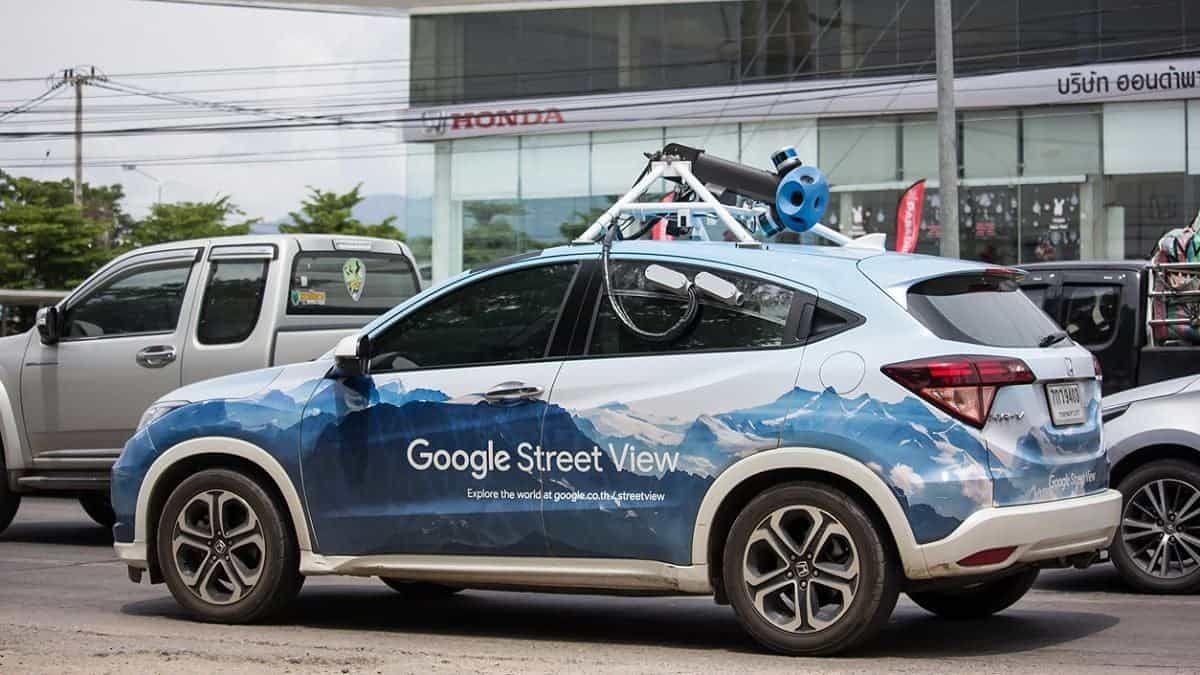
A shocking privacy breach occurred when Google Maps’ Street View vehicle captured images of a man in his private backyard, completely naked. The incident, which took place in Bragado, Argentina, about two hours from Buenos Aires, has sparked a significant legal battle over privacy rights.
The victim, a local police officer, faced widespread humiliation after the unblurred photos spread across social media and were even featured on local news broadcasts, leading to mockery from neighbors and colleagues.
Google’s Initial Defense Falls Flat
Google initially defended its actions by claiming the man “failed to protect his privacy” due to his yard’s low wall height. In a 2024 preliminary ruling, a judge surprisingly sided with Google, stating the man was “behaving inappropriately in his garden.”
However, an appeal revealed that the property actually had a 6-foot privacy wall, completely changing the case’s trajectory and exposing serious flaws in Google’s privacy protection protocols.
Justice Prevails After Eight Years
The appeals court ultimately ruled in the victim’s favor, determining that Google had committed a serious invasion of privacy that “violated the plaintiff’s dignity.” The ruling emphasized the fundamental right to privacy within one’s own property.
The tech giant’s Argentine subsidiary and Google Inc. were ordered to pay 16 million pesos (approximately $45,000) in damages, setting a precedent for future privacy cases.
Implications for Tech Companies
This case highlights the growing tension between technological advancement and personal privacy. The ruling serves as a warning to tech companies about the importance of respecting private spaces during street mapping operations.
While media outlets that shared the images were acquitted, the case raises important questions about the responsibility of both tech companies and news organizations in protecting individual privacy.
Future of Street View Privacy
The incident has prompted discussions about improving privacy safeguards in street mapping technology. Google has since enhanced its privacy protection measures, including better detection and blurring of private spaces.
236M views in 10 weeks: how KPop Demon Hunters dethroned Red Notice
Materialists Raises Eyebrows: Sharp Satire or Elitist Attack on Modern Love?
Park Chan‑wook’s 2025 Venice Comeback: 6‑Minute Ovation and a 20‑Year Return
Julia Roberts’ 6‑minute ovation at Venice 2025 — the quote already igniting awards talk
This case may influence how similar services operate globally, potentially leading to stricter protocols for capturing and publishing street-level imagery.
Conclusion
This landmark case demonstrates the evolving landscape of privacy rights in our digital age. While street mapping services provide valuable tools for navigation and exploration, this incident reminds us of the critical importance of balancing technological innovation with fundamental privacy rights. The substantial settlement serves as a warning to tech companies about the real costs of privacy violations.
Similar Posts
- Fortnite Blocked Again by Apple: CEO Tim Sweeney Tweets Tim Cook in Protest!
- This WhatsApp Trick Claims to Track Location Without Permission – Here’s Why It Doesn’t Work
- Scandal at X: Grok, Elon Musk’s AI is accused of virtually undressing women
- Breaking News: The Ponys Drummer Nathan Jerde Passes Away
- Judge Halts Trump’s LA Immigration Raids: Federal Court Blocks Controversial Policy

A pop culture aficionado with a sharp eye for trends, Jason covers everything from Hollywood blockbusters to viral internet moments.