
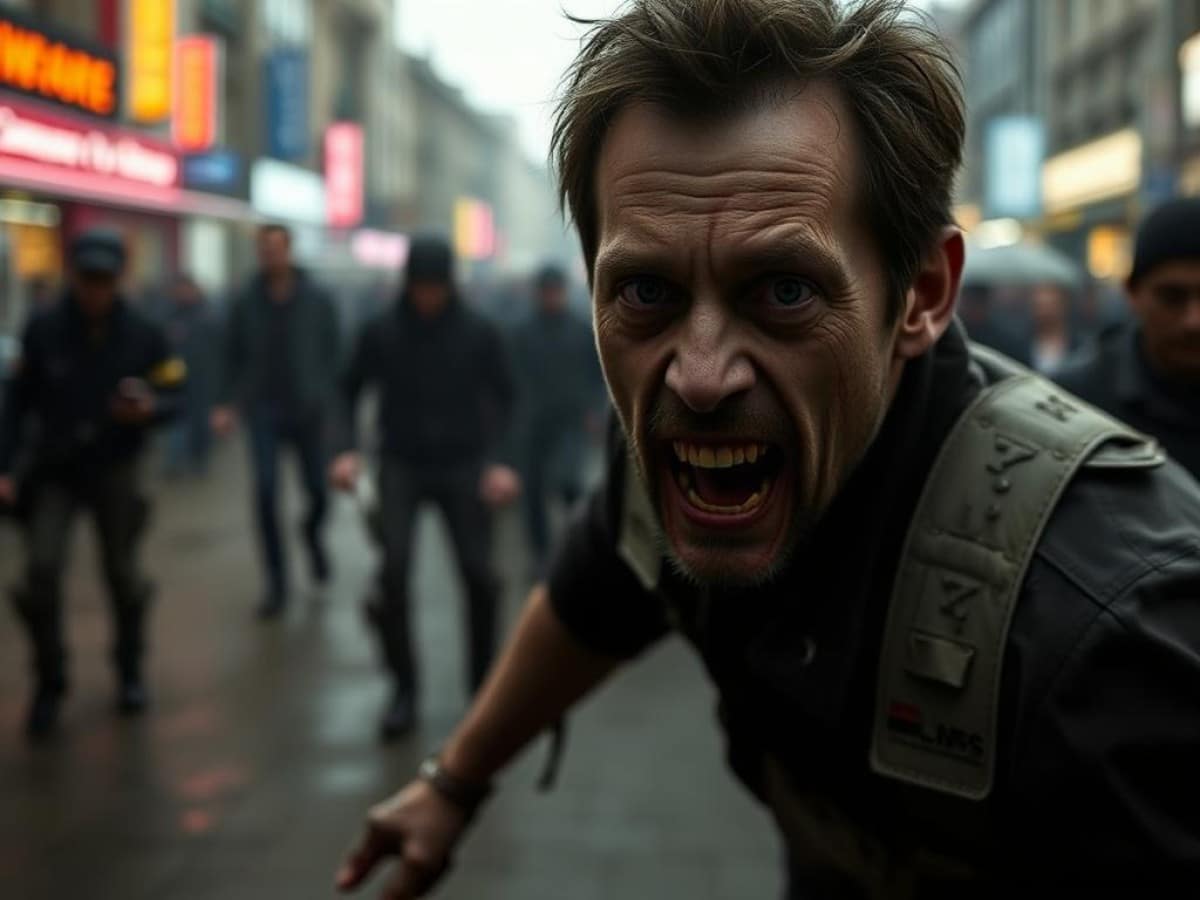
As Danny Boyle gears up to release “28 Years Later” next month, continuing the saga of “28 Days Later,” fans of the series are eager to learn more about the current conditions of those afflicted by the Rage Virus nearly three decades after the initial outbreak.
Earlier this week, I had the opportunity to discuss the upcoming film with Boyle, who shared some intriguing details about the evolution of the infected, who are notorious for their speed. Interestingly, he revealed that not all of them are as swift as they used to be.
It’s important to note that the infected in the “28 Days/Weeks/Years” franchise, while fitting neatly into the zombie genre, are not actually undead. They are living humans who have contracted the Rage Virus, which implies they need sustenance to survive over the years. This survival instinct is a key aspect of the evolution Boyle alludes to.
236M views in 10 weeks: how KPop Demon Hunters dethroned Red Notice
Materialists Raises Eyebrows: Sharp Satire or Elitist Attack on Modern Love?
Park Chan‑wook’s 2025 Venice Comeback: 6‑Minute Ovation and a 20‑Year Return
Julia Roberts’ 6‑minute ovation at Venice 2025 — the quote already igniting awards talk
Boyle chose to film “28 Years Later” in a 2.76:1 widescreen aspect ratio, a format usually reserved for large-scale 70mm films, to enhance the cinematic experience and amplify the sense of threat posed by the infected. This wider frame allows for a broader and more alarming perspective, where threats could lurk at any edge of the screen.
“The goal is really to instill a sense of unease… they could be just about anywhere, given their speed,” Boyle explains. He points out that while most of the infected are quick, there are new variants known as ‘slow-lows’ who move with less haste but are equally menacing.
Boyle finds humor in the irony of their name, saying, “They’re very slow and tend to stay lower to the ground, hence ‘slow-lows.’ But don’t be fooled, they’re still very dangerous.”
To capture the distinct characteristics of the infected, particularly the slow-lows, Boyle’s team employed various filming techniques, including attaching cameras to the actors portraying these creatures, giving viewers a ground-level view of their chilling presence.
“
According to production notes, the initial generation of the infected who have survived the last 28 years now behave wildly and are seen unclothed. The notes also mention ‘berserker’ and ‘alpha’ variants, which appear to possess extraordinary strength and a hint of cognitive abilities.
Boyle adds, “In technical terms, we aimed to retain a certain raw, almost unpredictable quality in capturing them, similar to what worked in the original film.”
The filming techniques included using custom rigs fitted with up to 20 iPhones for key sequences, achieving what Boyle describes as “a poor man’s bullet time.” Additionally, special shutter angles and an old Panasonic EVA1 camera—modified to mimic infrared imaging—were utilized to achieve the desired visual effects for nighttime scenes.
With the introduction of slow-lows, the enduring original infected, berserkers, and alphas, “28 Years Later” promises a fresh array of challenges for its characters. The full extent of these horrors will be unveiled when the film releases on June 20.
Similar Posts
- Shocking Alpha Chase in ’28 Years Later’: Exclusive Inside Look!
- 28 Days Later Director Claims Royalties From The Last Of Us: Deserves a Cut?
- Cillian Murphy’s Shocking Return in ’28 Years Later’: Not Until Trilogy’s Second Finale!
- 28 Years Later Ignites Fierce Debate — Best Horror Sequel in Decades or Empty Nostalgia Grab?
- The Last of Us Season 2: New Infected Types Barely Seen in the Game Revealed!
From political headlines to cultural debates, Damien breaks down the news with clarity and depth, making complex topics easy to grasp.