
An intriguing rarity
While chicken eggs are part of our daily lives, turkey eggs remain mysteriously absent from our plates. This culinary curiosity raises legitimate questions: why can’t we find these perfectly edible eggs in our supermarkets? The answer lies in a fascinating combination of biological and economic factors that shape our modern food industry.
Naturally limited production
The biology of turkeys plays a crucial role in this rarity. Unlike chickens, which can lay up to 300 eggs a year, turkeys produce only 80 to 100 eggs a year.
This significant difference is explained by their seasonal egg-laying cycle, mainly concentrated in spring. In addition, turkeys reach reproductive maturity later than hens, requiring seven months compared to five for their gallinaceous cousins.
The economy dictates the rules
The poultry industry has made a clear strategic choice: to breed turkeys for their meat rather than their eggs. The few eggs that are laid are mainly for breeding purposes, helping to maintain farmed turkey populations.
This economic orientation explains why turkey egg production remains confidential and is not developed on a large scale.
A luxury product with unique qualities
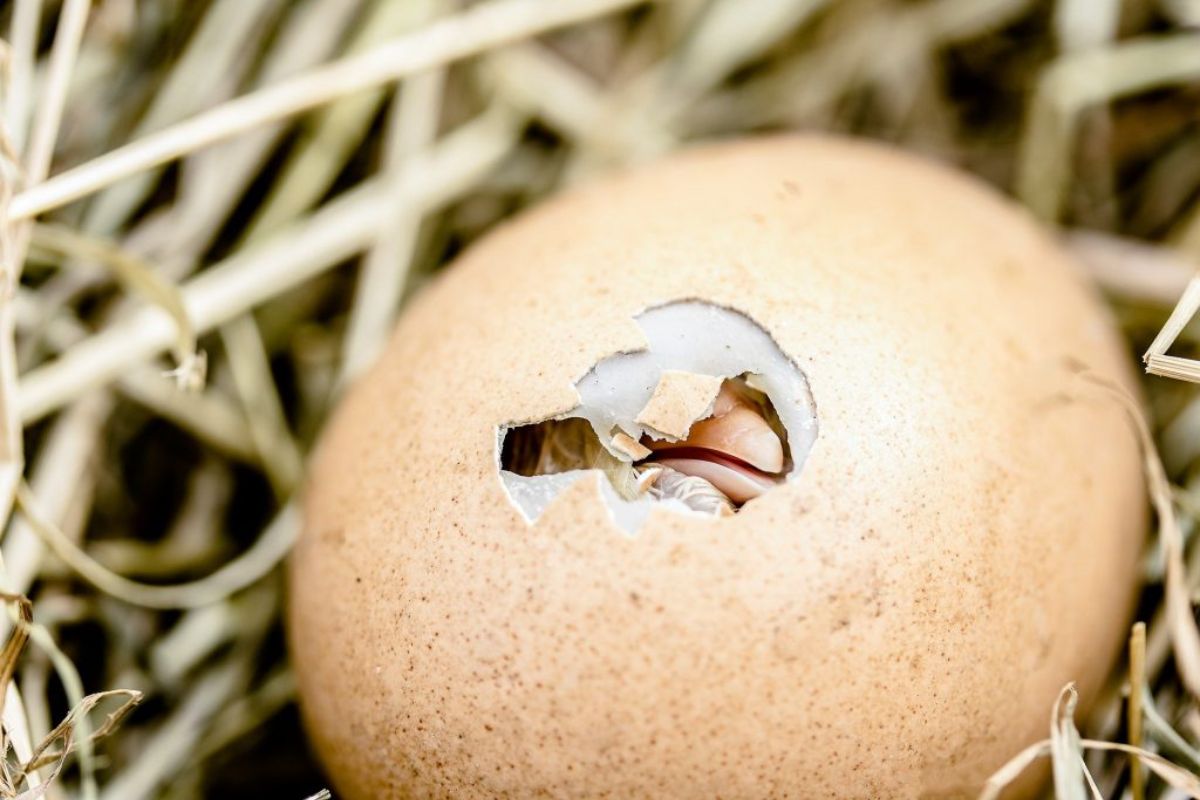
Turkey eggs are distinguished by their special characteristics. Larger than chicken eggs, they have a thicker, speckled shell.
Their contents are said to be creamier, thanks to a higher proportion of yolk. These exceptional qualities are reflected in their price: a dozen can fetch $36, more than ten times the price of conventional hen eggs.
A rare gastronomic experience
For curious gourmets, turkey eggs offer a unique culinary experience. Their flavor, described as rich and mild, makes them perfectly suited to all traditional preparations: omelettes, pastries, or cooked dishes.
To taste them, generally turn to small local producers or specialized markets.
236M views in 10 weeks: how KPop Demon Hunters dethroned Red Notice
Materialists Raises Eyebrows: Sharp Satire or Elitist Attack on Modern Love?
Park Chan‑wook’s 2025 Venice Comeback: 6‑Minute Ovation and a 20‑Year Return
Julia Roberts’ 6‑minute ovation at Venice 2025 — the quote already igniting awards talk
In search of specialized farms
A few artisan farms have specialized in turkey egg production, creating an exclusive gastronomic niche.
These establishments maintain traditional farming practices and offer their products directly to consumers or to high-end restaurants, perpetuating this unique culinary tradition.
Conclusion
Turkey eggs remain an exceptional product in our food landscape. Their rarity, dictated by biological and economic factors, makes them a luxury delicacy appreciated by connoisseurs.
Although their consumption remains confidential, they represent a fascinating example of the diversity of our gastronomic heritage, reminding us that certain culinary treasures deserve to be preserved despite their limited production.
Source: WECB
Similar Posts
- This Company Just Launched the First-Ever Vegan Egg — You Won’t Believe What It’s Made Of!
- Elon Musk’s shock decision to lay off nearly 6,000 people triggers unprecedented disaster in the U.S.
- After 17 years underground: millions of red-eyed cicadas are about to invade the USA
- Game Industry Giants Battle in Culinary Showdown: Charity Wins Big!
- Must-See New Movies in Theaters This Week: Find Your Next Favorite Film!

A pop culture aficionado with a sharp eye for trends, Jason covers everything from Hollywood blockbusters to viral internet moments.