
Scientists Insert Neanderthal Gene into Mice with Fascinating Results
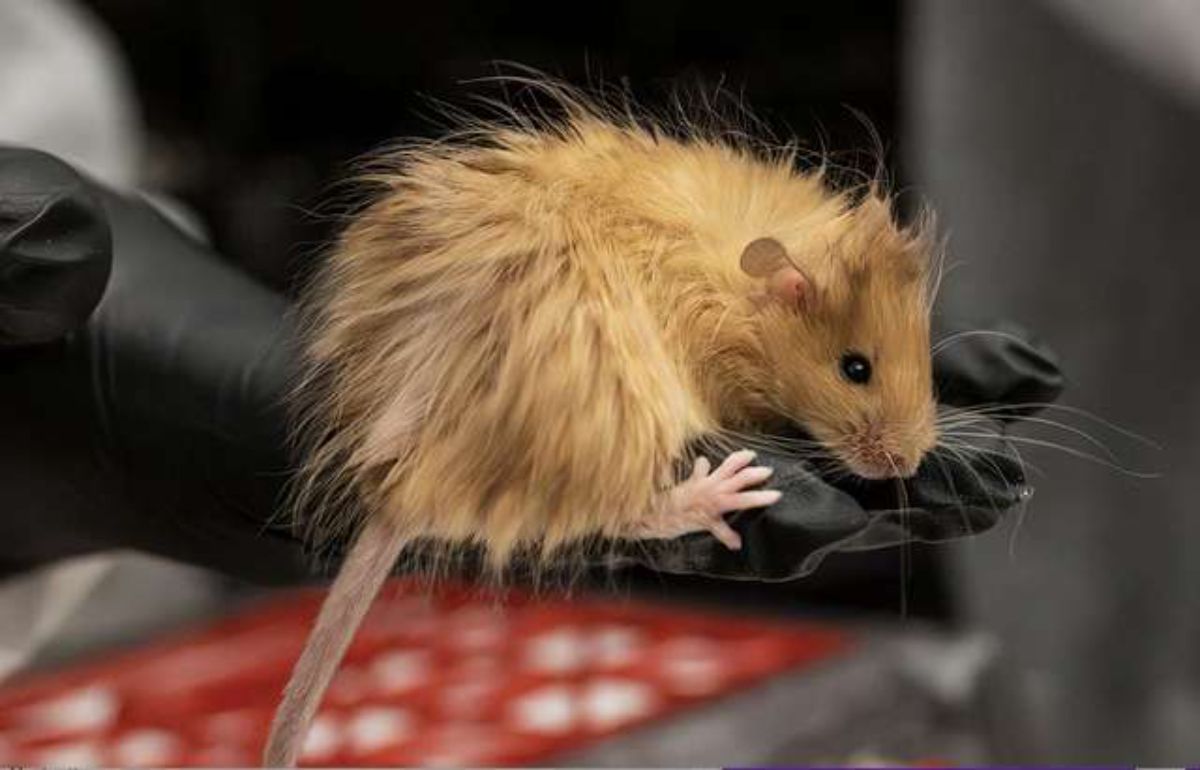
Researchers have achieved a breakthrough using CRISPR gene-editing technology to insert a gene carried by both Neanderthals and Denisovans into laboratory mice. This groundbreaking study aims to understand how this gene influenced our ancient cousins’ body structure.
The experiment focuses on the GLI3 gene, which plays a crucial role in embryonic development and cell growth.
Understanding the GLI3 Gene
The GLI3 gene belongs to the GLI family, essential for Hedgehog signaling pathway – a vital process in animal development and regeneration. This gene produces a transcription factor protein that regulates other genes’ expression.
Mutations in GLI3 can cause rare genetic conditions like Greig syndrome, characterized by skull deformities and extra fingers or toes.
The Ancient Variant’s Impact
Both Neanderthals and Denisovans carried a slightly modified version of GLI3. While they didn’t show severe deformities, they had distinct features including elongated skulls, prominent brow ridges, and broader rib cages.
Scientists engineered mice with this archaic gene variant to understand its role in shaping these unique characteristics.
Experimental Results
The mice carrying the ancient gene version developed modified skeletal structures, including broader skulls and fewer vertebrae. They also showed increased rib cage twisting, mirroring differences between modern humans and Neanderthals.
Some test subjects developed asymmetrical rib cages associated with scoliosis, a condition that may have affected Neanderthals.
Scientific Implications
The research confirms that this ancient gene variant contributed significantly to the distinctive physical characteristics of our extinct relatives. This discovery provides valuable insights into human evolution and genetic development.
236M views in 10 weeks: how KPop Demon Hunters dethroned Red Notice
Materialists Raises Eyebrows: Sharp Satire or Elitist Attack on Modern Love?
Park Chan‑wook’s 2025 Venice Comeback: 6‑Minute Ovation and a 20‑Year Return
Julia Roberts’ 6‑minute ovation at Venice 2025 — the quote already igniting awards talk
The study demonstrates how modern genetic tools can help us understand our ancestral relatives’ physical traits.
Conclusion
This groundbreaking research opens new avenues for understanding human evolution through genetic experimentation. By studying these ancient genes in modern organisms, scientists continue to uncover the biological foundations that shaped our extinct relatives. The findings not only illuminate our past but also contribute to our understanding of genetic influence on physical development.
Similar Posts
- This Dog With a Split Nose Could Help Treat a Rare Birth Defect in Human Babies
- Hidden in the icy waters of Greenland, this 6-metre shark could hold the key to human longevity
- Japanese scientists have reportedly succeeded in removing the chromosome responsible for Down syndrome
- Incredible discovery: a world that disappeared 30 million years ago resurfaces under Antarctica
- “Blaschko’s lines reveal everything”: this invisible pattern on your skin could betray your illnesses and longevity

A pop culture aficionado with a sharp eye for trends, Jason covers everything from Hollywood blockbusters to viral internet moments.