
Alarming news for our oceans
The oceans, which cover 70% of our planet, are going through a critical period. A recent study by Plymouth University and Marine Laboratory reveals a worrying phenomenon: the gradual darkening of the oceans. Between 2003 and 2022, 21% of the world’s ocean waters experienced this worrying change, upsetting the fragile balance of marine ecosystems.
The photic zone in danger
The photic zone, the cradle of marine life and home to 90% of all species, is undergoing drastic changes. British researchers have identified an alarming reduction in light penetration: an area the size of the African continent has seen its photic zone shrink by more than 50 meters.
Even more worrying is the fact that some areas recorded a drop in depth of over 100 meters.
The multiple causes of a complex phenomenon
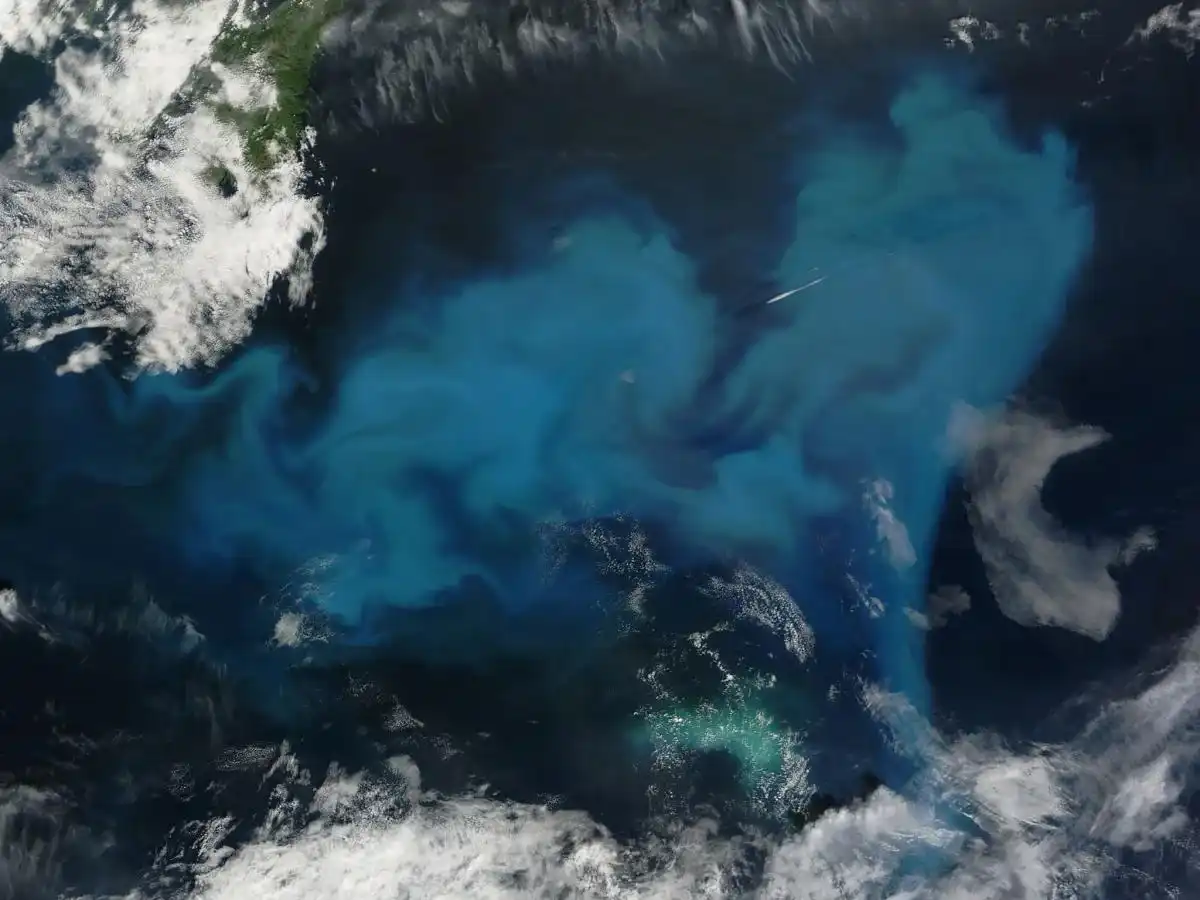
Several factors are contributing to this oceanic darkening. Scientists point to changes in algal blooms, variations in surface temperature, and the growing impact of artificial light pollution.
These changes come on top of existing threats such as plastic pollution, pesticides and overfishing.
Impact on marine biodiversity
The consequences of this darkening are particularly serious for aquatic fauna.
Dr Thomas Davies, co-author of the study, points out that this modification considerably reduces the living space of species dependent on light for survival and reproduction. This disruption threatens the entire marine food chain.
Implications for humanity
The darkening of the oceans is not just an isolated environmental problem. It is endangering ecosystem services essential to humanity: oxygen production, food resources, climate regulation.
The health of the oceans is intrinsically linked to our own survival, making this phenomenon all the more worrying.
236M views in 10 weeks: how KPop Demon Hunters dethroned Red Notice
Materialists Raises Eyebrows: Sharp Satire or Elitist Attack on Modern Love?
Park Chan‑wook’s 2025 Venice Comeback: 6‑Minute Ovation and a 20‑Year Return
Julia Roberts’ 6‑minute ovation at Venice 2025 — the quote already igniting awards talk
Conclusion
The darkening of the oceans represents a new alarm bell for the health of our planet. This discovery underlines the urgent need for concrete action to preserve our marine ecosystems.
Faced with this growing threat, the international community must step up its efforts to protect the oceans, the true blue lungs of our planet.
Source: Demotivateur
Similar Posts
- Elon Musk’s shock decision to lay off nearly 6,000 people triggers unprecedented disaster in the U.S.
- Scientists attach GoPRo cameras to polar bears and discover that they have transformed themselves
- Experts call for an immediate ban on magic sponges for household cleaning
- Underwater camera captures mysterious creature 3 miles below surface
- It’s neither a monkey nor a robot: here is the animal that could rule the Earth after humans

A pop culture aficionado with a sharp eye for trends, Jason covers everything from Hollywood blockbusters to viral internet moments.