
An enduring success
The animated series The Simpsons continues to captivate audiences after more than three decades. With 789 episodes spread over 36 seasons, the latest of which has been available on Disney+ since January 2025, the franchise is proving its exceptional longevity. Despite a slight drop in ratings in the U.S., showrunner Matt Selman remains optimistic about the future of the series, even though the 37th season has not yet been confirmed by Fox.
A community of passionate theorists
Over the years, fans of The Simpsons have developed numerous theories about the series. The most famous concerns the series’ alleged ability to predict the future, notably with the episode on the presidency of Donald Trump.
Other popular theories suggest that Homer has actually been in a coma since season 5, or that Springfield is trapped in a time loop explaining why the characters never age.
The radiation theory: a troubling explanation
The most persistent theory concerns the Springfield nuclear power plant and its impact on the population. According to this hypothesis, the numerous incidents narrowly avoided by Homer Simpson would still have exposed residents to radiation.
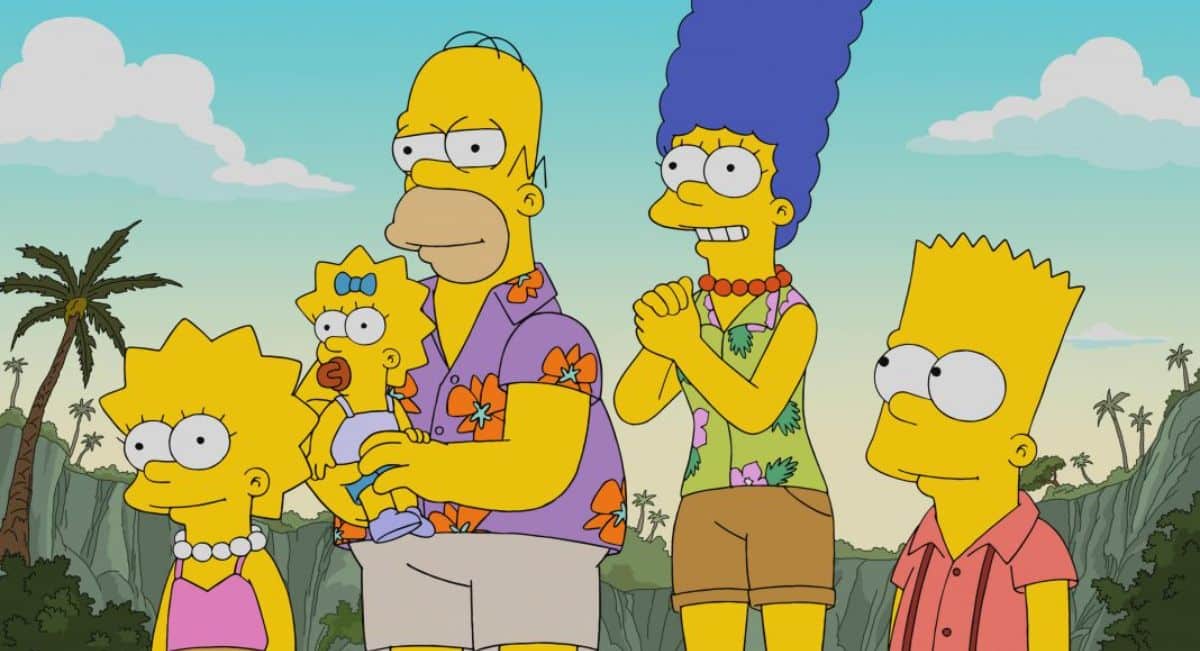
These leaks would explain the characters’ characteristic yellow color, prominent eyes and physical peculiarities.
Evidence to fuel debate
Supporters of this theory point to several elements of the series: the presence of Blinky, the three-eyed mutant fish, the contamination of water bodies by nuclear waste, and the sometimes irrational behavior of the inhabitants.
The theory suggests that radiation not only altered the physical appearance of the characters, but also their cognitive abilities.
The reality behind the fiction
Contrary to fan speculation, series creator Matt Groening revealed in a BBC documentary that the choice of yellow was purely strategic. This distinctive hue was intended to draw viewers’ attention during zapping.
This pragmatic explanation does not prevent the radiation theory from continuing to fascinate fans and fuel discussions on social networks.
236M views in 10 weeks: how KPop Demon Hunters dethroned Red Notice
Materialists Raises Eyebrows: Sharp Satire or Elitist Attack on Modern Love?
Park Chan‑wook’s 2025 Venice Comeback: 6‑Minute Ovation and a 20‑Year Return
Julia Roberts’ 6‑minute ovation at Venice 2025 — the quote already igniting awards talk
Conclusion
While the radiation theory remains one of the most popular in the Simpsons universe, it perfectly illustrates the series’ rich narrative and its ability to generate passionate discussion even after 35 years of existence.
Whether true or not, this theory helps keep the community engaged, and demonstrates the lasting cultural impact of this animated series that has become a cult favorite.
Source: Hitek
Similar Posts
- ‘Simpsons’ Sequel Hits Theaters 2027: Get Ready for More Springfield Antics!
- Marge’s Death in The Simpsons Season Finale Leaves Fans Speechless
- Foggy’s Future in Daredevil: Marvel Star Clueless Despite Fan Theories on Comeback!
- Famous Voice Actor Exposes AI Dangers: Inside Look at Tech’s Impact on Acting!
- Paul Rudd Can’t Get Over That Wild Ant-Man vs. Thanos Theory: Here’s Why!

A pop culture aficionado with a sharp eye for trends, Jason covers everything from Hollywood blockbusters to viral internet moments.