
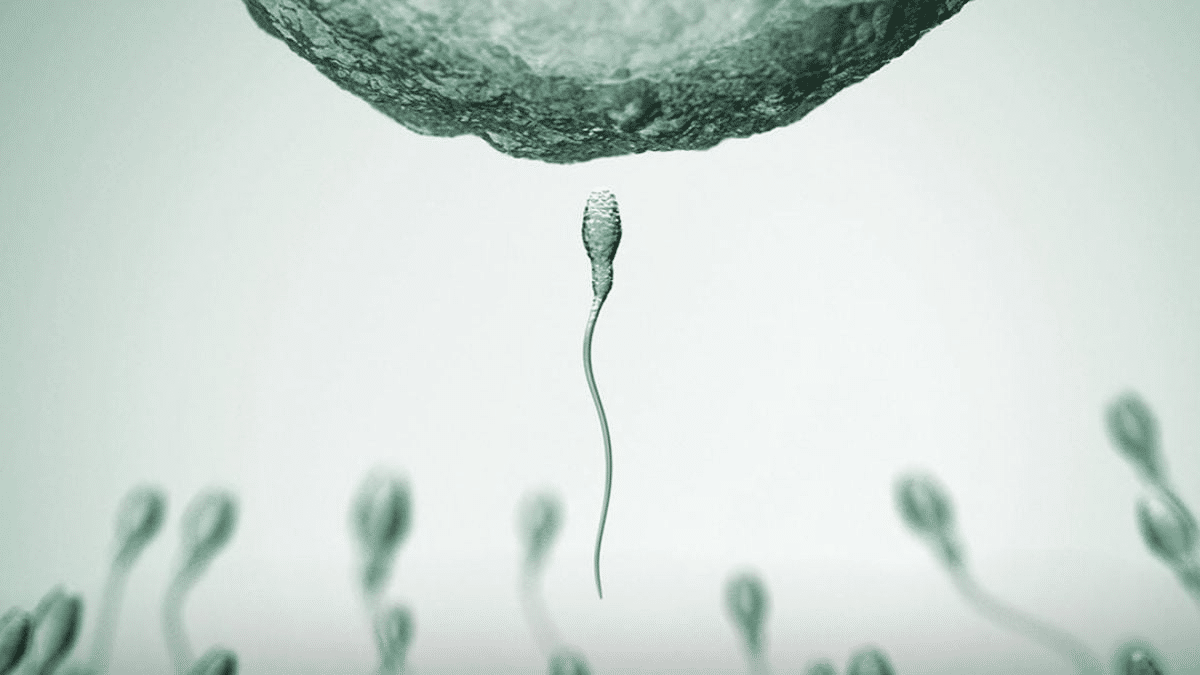
Giant Sperm Race Set to Draw 4,000 Spectators in LA
In a groundbreaking blend of science and entertainment, Los Angeles is preparing to host an unprecedented event: a live sperm race. The April 25th spectacle at the iconic Hollywood Palladium will feature microscopic competitors from two prestigious California universities.
Four tech entrepreneurs – Eric Zhu, Nick Small, Shane Fan, and Garrett Niconienko – have raised $1.5 million to make this unique scientific competition a reality.
The Science Behind the Spectacle
The competition will pit sperm samples from UCLA and USC students against each other on a microscopic uterus-shaped track. High-definition cameras will broadcast the race live to thousands of spectators at the Hollywood Palladium.
The event, dubbed “Spermracing,” aims to combine entertainment with education about male fertility issues, using cutting-edge technology to visualize microscopic competition.
Addressing Fertility Concerns
The organizers emphasize the serious scientific purpose behind the event. Eric Zhu points to alarming statistics: sperm counts have dropped from 101 million per milliliter in 1973 to just 49 million in 2018.
This dramatic decline in male fertility rates has sparked concerns about potential demographic challenges facing the United States in coming decades.
The Tech Meets Science Approach
The event showcases how Silicon Valley-style innovation can intersect with medical science. The organizers, coming from backgrounds in technology, finance, and cryptocurrency, have applied their entrepreneurial mindset to raising awareness about public health issues.
The use of advanced imaging technology and live streaming capabilities demonstrates how modern tech can make complex scientific concepts accessible to the general public.
Controversy and Conversation
While the event aims to raise awareness about fertility issues, some observers have noted potential connections to broader demographic debates. The timing coincides with increased public discussion about population trends and reproductive health.
236M views in 10 weeks: how KPop Demon Hunters dethroned Red Notice
Materialists Raises Eyebrows: Sharp Satire or Elitist Attack on Modern Love?
Park Chan‑wook’s 2025 Venice Comeback: 6‑Minute Ovation and a 20‑Year Return
Julia Roberts’ 6‑minute ovation at Venice 2025 — the quote already igniting awards talk
Critics and supporters alike acknowledge the event’s potential to spark important conversations about male fertility and public health.
Conclusion
This unprecedented fusion of entertainment and reproductive science represents a bold new approach to public health education. Whether viewed as innovative science communication or controversial spectacle, the event has already succeeded in drawing attention to important fertility issues. As the race date approaches, all eyes will be on Los Angeles for this unique intersection of science, technology, and public engagement.
Similar Posts
- Experts call for an immediate ban on magic sponges for household cleaning
- This harmless drink accelerates aging in a dangerous way, according to science
- “We Can Manipulate Time and Space”: This Statement by a US Official is Both Fascinating and Worrying
- In just a few days, the Earth will witness a rare event straight out of a science-fiction movie
- Meta Allegedly Offered Openai Employees $100 Million To Poach Them, According To Sam Altman

A pop culture aficionado with a sharp eye for trends, Jason covers everything from Hollywood blockbusters to viral internet moments.