
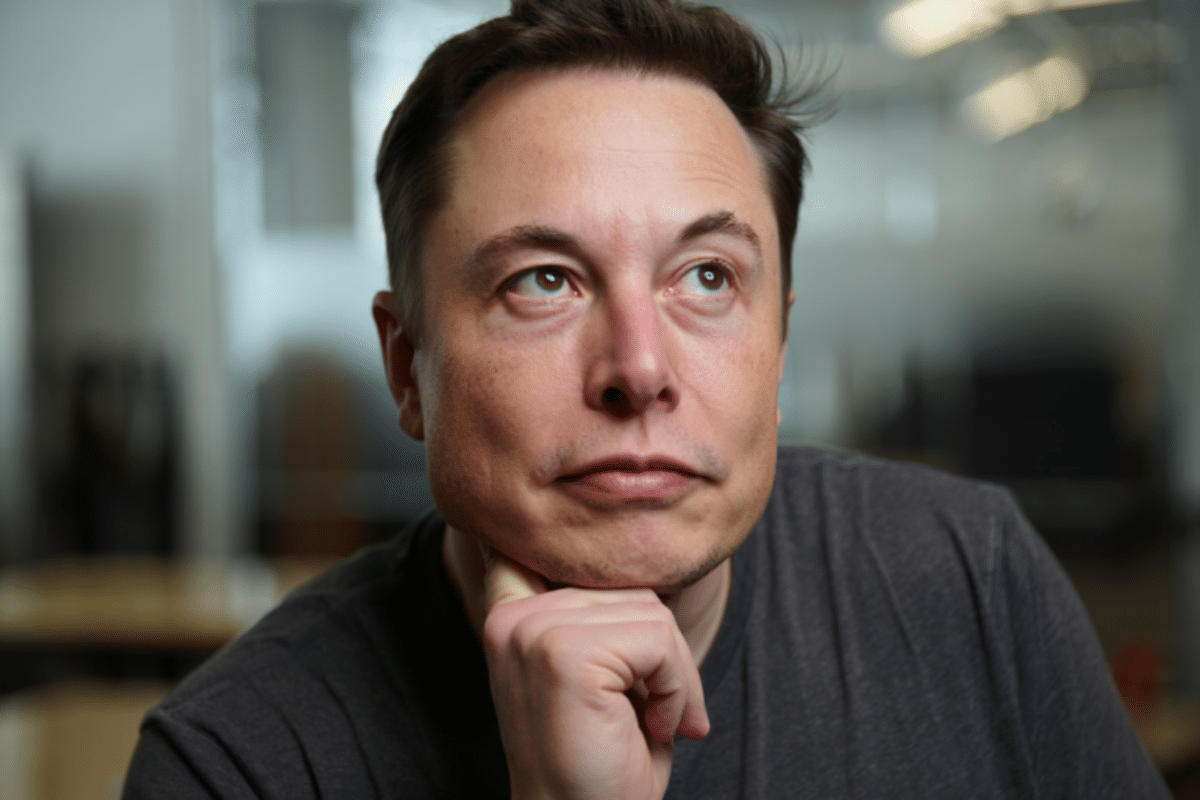
A Mindset Shaped Early
Born in Pretoria in 1971, Elon Musk had what many would consider an unremarkable childhood—except for one detail: his fascination with technology and space began very young. At the age of 12, he sold his first piece of software—a game called Blastar. After moving to Canada and then to the U.S., Musk studied physics and economics but left Stanford’s PhD program after just two days to pursue a business venture.
Diversification with a Clear Direction
Looking at Musk’s ventures, a pattern emerges – each company targets a different sector: finance with PayPal, automotive with Tesla, aerospace with SpaceX, social media with Twitter, and neurotechnology with Neuralink.
On the surface, these seem unrelated, but they all align with long-term themes Musk has regularly cited: sustainability, reducing human dependence on Earth, and enabling high-speed, data-driven systems. Whether it’s colonizing Mars or creating electric cars, the end goal appears to be centered around long-term survival and efficiency at a global scale.
The Strategy: High Risk, High Involvement
Musk is known for investing heavily—both financially and personally—into his projects. When Tesla was close to bankruptcy, he reinvested his own money to keep it afloat.
His approach is rarely passive, often immersing himself in the technical details of his companies, which some see as an asset while others point to potential micromanagement issues.
Communication as a Tool (and a Risk)
Part of Musk’s strategy involves direct communication—often through Twitter, which he now owns. It allows him to shape public narratives, engage with critics, and make announcements without intermediaries.
But this strategy also carries risks: market reactions, public backlash, and legal consequences have all followed his tweets.
A Strategy in Motion
It’s tempting to frame Musk’s path as a master plan—but many of his decisions seem reactive, intuitive, or driven by curiosity rather than strict strategy. That said, a few key elements remain consistent: act early in emerging sectors, invest deeply even personally, control the narrative directly, accept volatility as part of growth, and keep the end goal bold and long-term.
Musk’s empire is still evolving, and so is his strategy, but one thing is certain: he doesn’t follow conventional paths—he builds his own, step by step, risk by risk.
236M views in 10 weeks: how KPop Demon Hunters dethroned Red Notice
Materialists Raises Eyebrows: Sharp Satire or Elitist Attack on Modern Love?
Park Chan‑wook’s 2025 Venice Comeback: 6‑Minute Ovation and a 20‑Year Return
Julia Roberts’ 6‑minute ovation at Venice 2025 — the quote already igniting awards talk
Conclusion
Musk’s approach offers valuable lessons for American entrepreneurs and business leaders. His willingness to take calculated risks, invest deeply in emerging technologies, and maintain direct control over company narratives has redefined multiple industries. While his methods remain controversial, his impact on the American business landscape—from Silicon Valley to Detroit—continues to shape how we think about innovation and leadership in the 21st century.
Similar Posts
- The hidden secrets behind Elon Musk’s empire finally revealed
- The secret of success revealed? Elon Musk’s ex-wife reveals the word her husband uses that changes everything in a negotiation
- Elon Musk’s Ex-Wife Reveals a Scheme That Gives her ex-Husband a Major Advantage in Negotiations
- “What the hell is Elon doing here?” Donald Trump prevents Musk from attending to a briefing
- Elon Musk abandons DOGE: a failure? What you need to know!

A pop culture aficionado with a sharp eye for trends, Jason covers everything from Hollywood blockbusters to viral internet moments.