
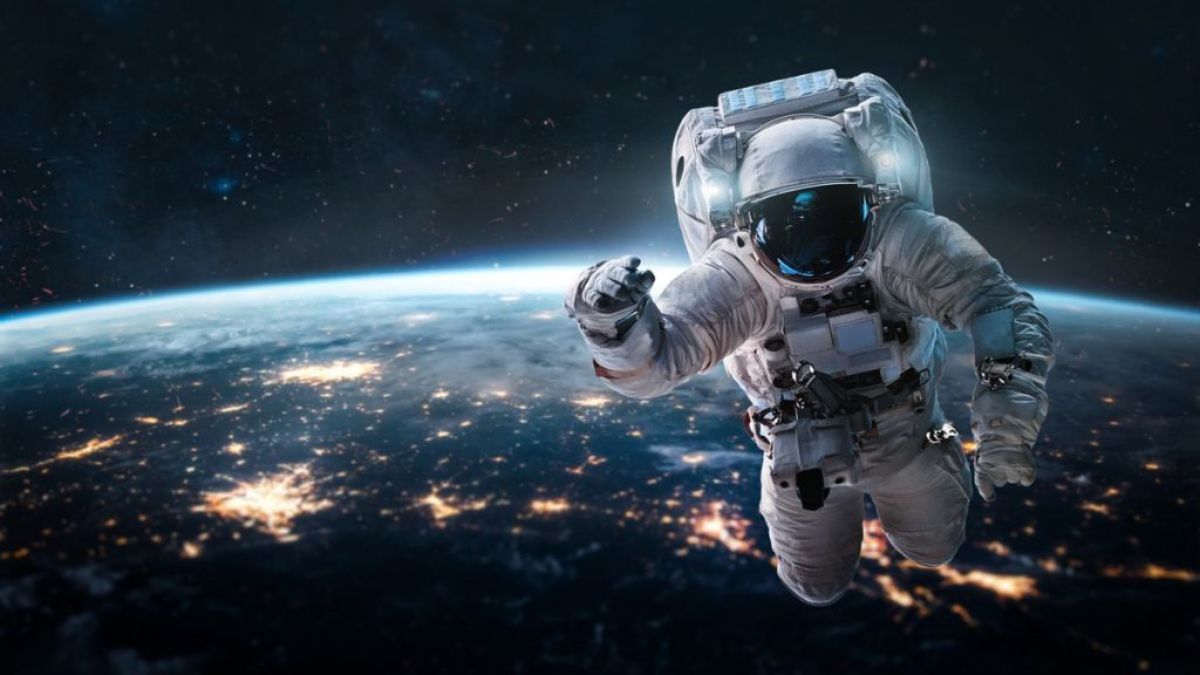
A milestone for humanity: October 31, 2000
October 31, 2000 marked a turning point in human history. On that day, for the last time, all human beings were simultaneously on Earth. The launch of the Soyuz TM-31 mission from Baikonur ushered in a new era: that of a permanent human presence in space.
The ISS: an exceptional orbital laboratory
The International Space Station represents one of the most remarkable international scientific collaborations. Since its inauguration, this 109-meter orbital complex has hosted over 3,000 scientific experiments from 108 countries.
Circling the Earth at 28,000 km/h, the ISS has become a true symbol of international cooperation, housing an average of seven astronauts in a space comparable to a six-bedroom house.
The twilight of a space legend
After nearly a quarter century in service, the ISS is showing signs of fatigue. Air leaks and aging equipment are leading to an end scheduled for 2030. SpaceX will be responsible for its controlled deorbiting, marking the end of an era. NASA is now turning to the private sector to ensure the continuity of human presence in low-Earth orbit.
China: the new emerging space power
As the ISS nears retirement, China’s Tiangong space station takes over. Operational since 2022, it symbolizes Beijing’s growing space ambitions.
With expansion projects and international partnerships in the pipeline, China could become the major player in human presence in orbit by the end of the decade.
The challenge of space debris
The future of space exploration faces a major obstacle: the proliferation of orbital debris. These fragments, left over from past missions or collisions, threaten the safety of crews and space installations.
Innovative solutions are emerging to clean up the Earth’s orbit and ensure the sustainability of space activities.
Conclusion
Since that Tuesday in October 2000, mankind has taken a decisive step towards maintaining a continuous presence in space.
236M views in 10 weeks: how KPop Demon Hunters dethroned Red Notice
Materialists Raises Eyebrows: Sharp Satire or Elitist Attack on Modern Love?
Park Chan‑wook’s 2025 Venice Comeback: 6‑Minute Ovation and a 20‑Year Return
Julia Roberts’ 6‑minute ovation at Venice 2025 — the quote already igniting awards talk
As we approach a new space age, marked by the commercialization of low-Earth orbit and the emergence of new players, environmental and geopolitical challenges remind us of the importance of strengthened international collaboration for the future of space exploration.
Source: JeuxVideo
Similar Posts
- The United States On High Alert: The Pentagon Confirms That A Mysterious Signal Has Been Attributed To A Russian Space Anomaly, Now Considered A Major Threat
- In just a few days, the Earth will witness a rare event straight out of a science-fiction movie
- Elon Musk’s visionary prophecy: How a 2002 memo predicted SpaceX’s incredible success
- It’s neither a monkey nor a robot: here is the animal that could rule the Earth after humans
- The discovery no one expected: has a new ocean really just been discovered 700km below Earth’s Surface ?

A pop culture aficionado with a sharp eye for trends, Jason covers everything from Hollywood blockbusters to viral internet moments.